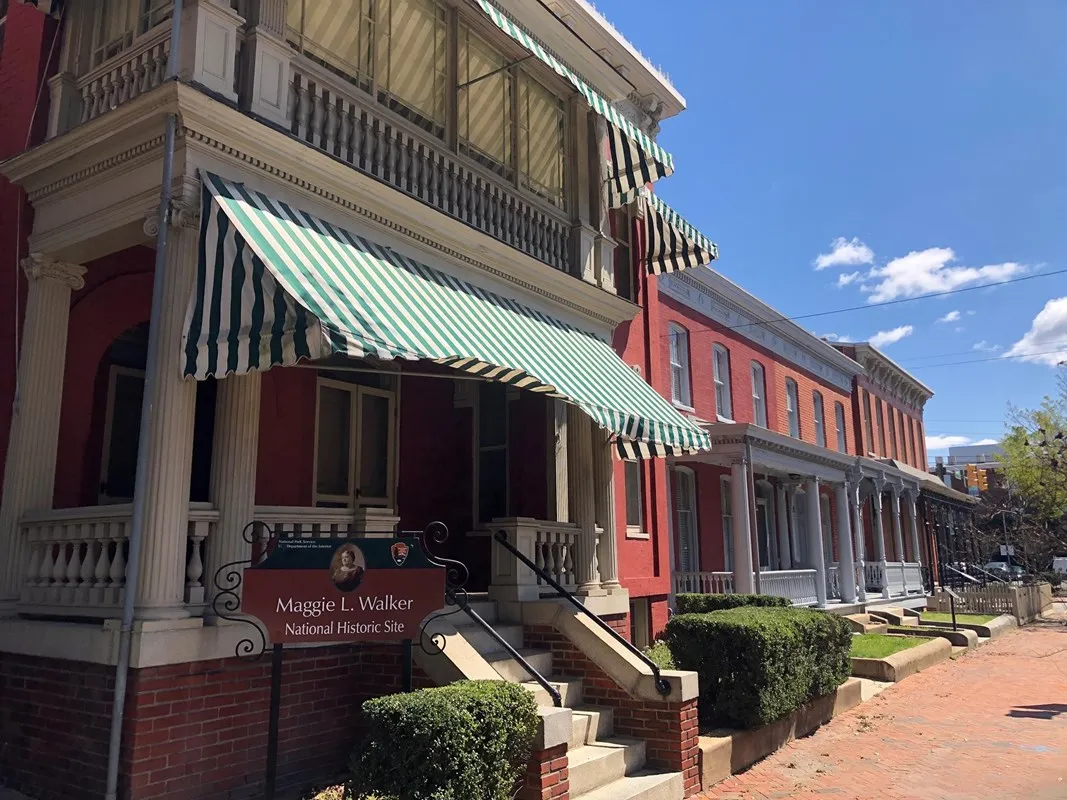
In Richmond’s Jackson Ward, a row house tells the story of a woman whose work reached far beyond its front door. Maggie Lena Walker was an organizer, newspaper publisher, banker and advocate who worked to expand opportunity for African Americans and women in the Jim Crow era. The National Park Service preserves her home and interprets the community in which she lived.
The historic site is compact, but the ideas it raises make it a worthwhile centerpiece for a Richmond visit. Because access to the home is by guided tour and public hours are limited, a little advance planning is especially useful.
1. Begin with Maggie Walker’s work
Born in post-Civil War Richmond, Walker joined the Independent Order of St. Luke as a teenager. The fraternal organization provided support to members and their families. As its leader, she helped strengthen its finances and expand its reach, using collective organization as a tool for community improvement.
Her work extended into publishing and banking. She established the St. Luke Herald in 1902 and founded the St. Luke Penny Savings Bank in 1903. The National Park Service recognizes her as the first African American woman to charter a bank in the United States. Other women had led or founded banks earlier, so her specific achievement deserves to be described accurately.
2. Start at the visitor center
Tours begin at the visitor center at 600 North 2nd Street. The National Park Service describes an orientation film followed by a guided visit to Walker’s home. The center is a good place to ask about the site, tour availability, accessibility and other ways to learn about Jackson Ward.
Public walk-in tours currently operate on Fridays and Saturdays, with group tours by appointment on certain weekdays. Public tours have limited capacity and are filled first come, first served. Check the park’s current hours and alerts before traveling, and arrive with time to secure a place rather than assuming a tour is guaranteed. Holiday schedules can differ.
3. Tour the home on Quality Row
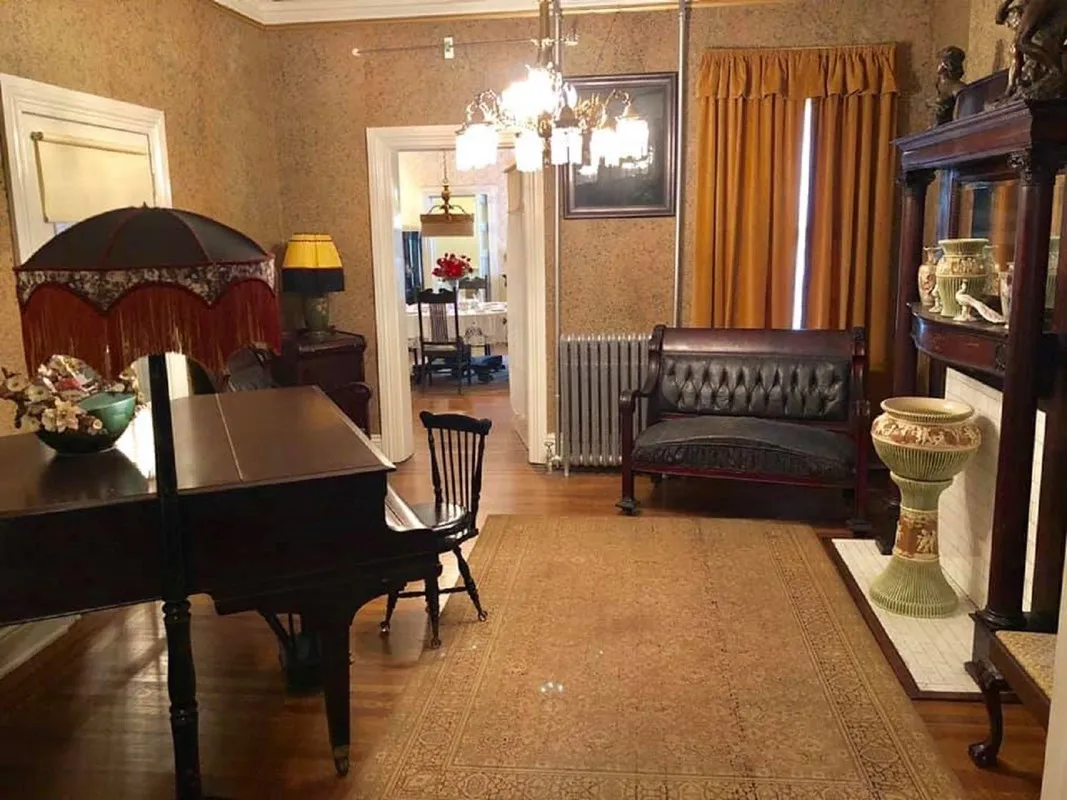
Walker’s home on East Leigh Street was part of a residential block known as Quality Row, within the historically Black Jackson Ward neighborhood. The furnished rooms help visitors connect her public achievements with family life and the practical decisions behind running a household.
During a ranger-led tour, listen for the ways the home changed over time and how objects illuminate the Walker family’s routines. The back parlor, for example, served as an entertainment space, while the library provided room for work as well as relaxation. Historic interiors are not always easy to navigate; ask the park about available accommodations before visiting.
4. Put the house in its neighborhood context
Jackson Ward was a center of African American business, civic life and culture. Walker’s bank and newspaper were part of a wider network of institutions built in response to discrimination and limited access to services. A walk through the area can help connect the house to that larger community, but remember that this is a living neighborhood as well as a historic district.
Use the National Park Service’s materials or app to plan an appropriate self-guided route. Observe buildings from public sidewalks, respect residents and businesses, and verify opening hours before entering any separate attraction. Instead of treating the neighborhood as a collection of photo stops, allow time to understand the people and institutions that made it significant.
5. Build a thoughtful Richmond day around the visit
The site’s limited tour schedule makes it sensible to anchor the day around a confirmed opening period. Consider lunch at a local business and additional time for nearby museums or a neighborhood walk, leaving flexibility in case a tour fills. The visitor center can point you toward current interpretive opportunities.
Before leaving, consult the official hours and accessibility pages, especially for a group or anyone who has difficulty with stairs. Bring questions: the bank, newspaper and Order of St. Luke were connected parts of Walker’s vision of economic and civic participation. A visit to her home is most rewarding when those connections stay in view.