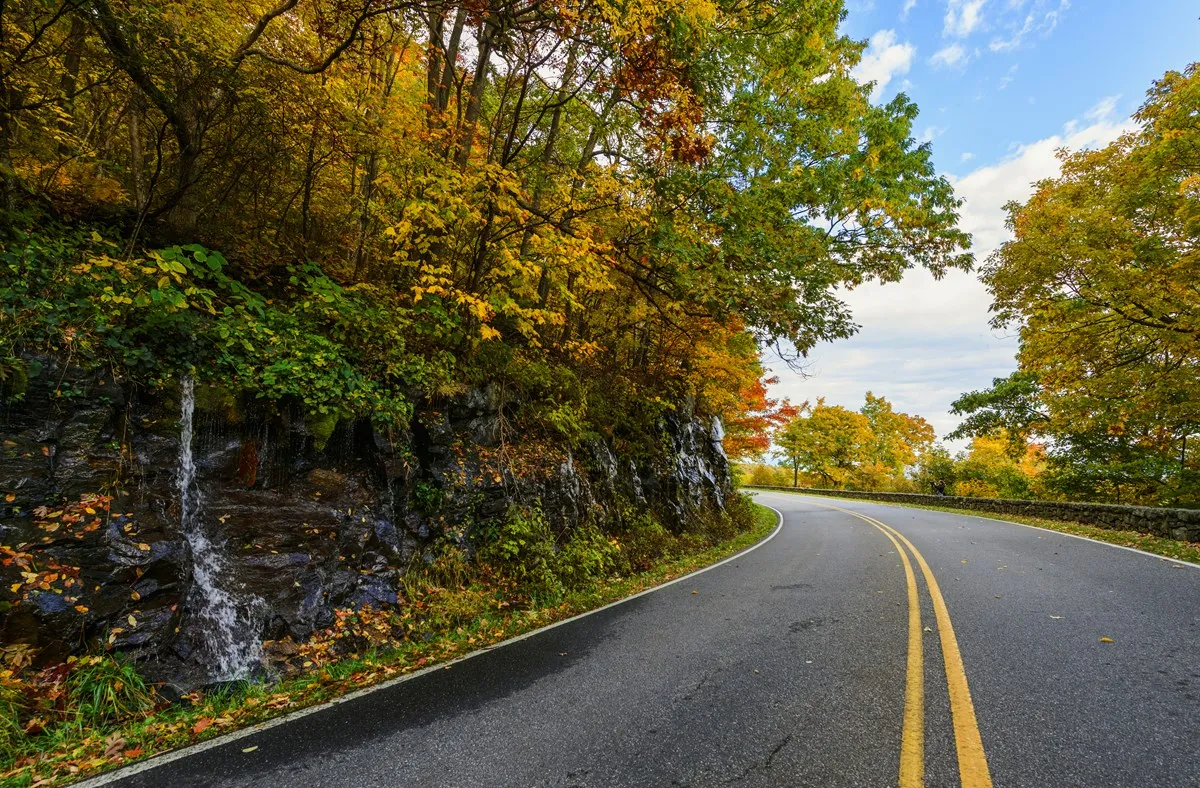
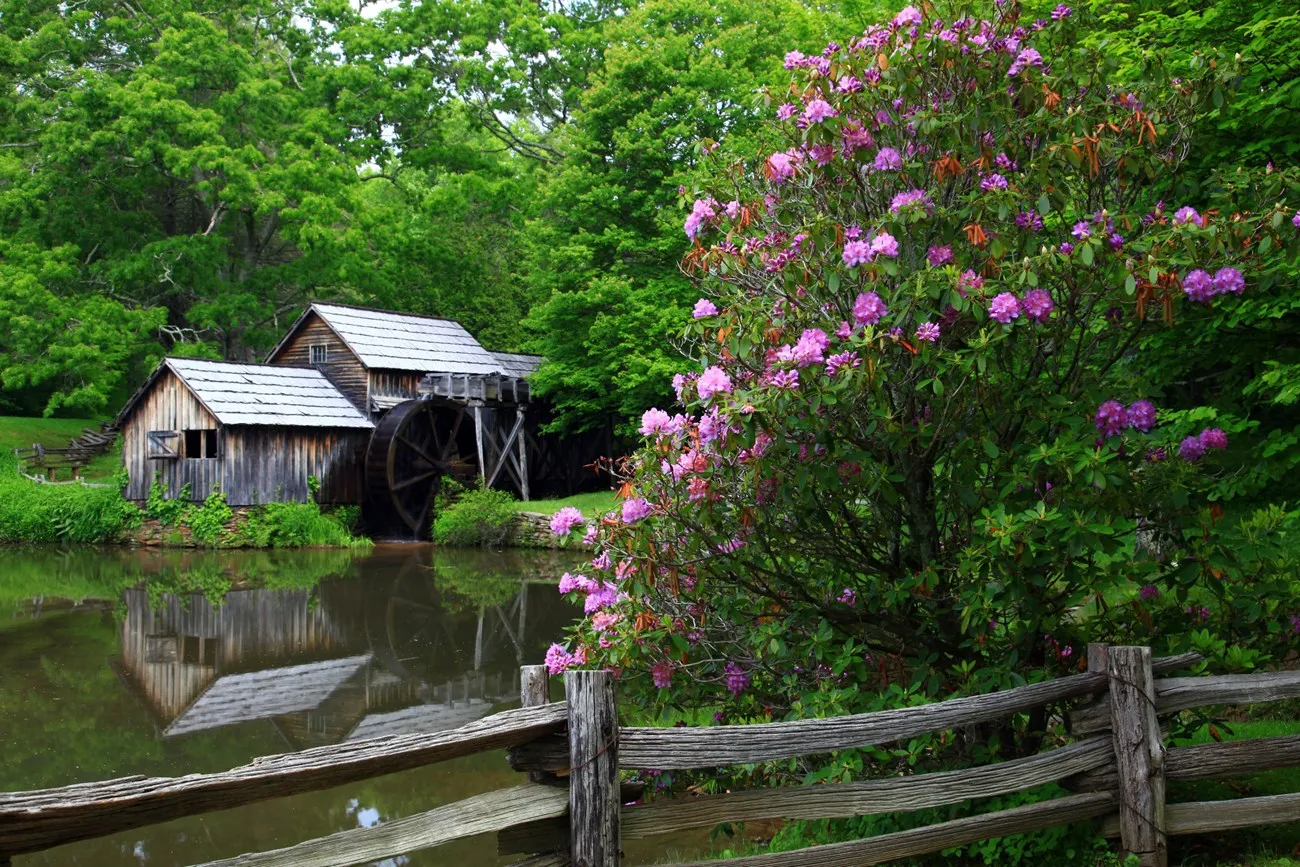
South of Washington, D.C., Prince William Forest Park offers a wooded retreat with streams, trails and a scenic drive. The park protects a substantial piece of the Quantico Creek watershed, and its landscape holds stories of communities and the people who built the park as well as opportunities for outdoor recreation.
This is a place to match the outing to the day: a short walk from the visitor center, a longer hike into the forest or a drive with a picnic stop can all make a satisfying visit. Start with a current map and check alerts before leaving; weather, maintenance and seasonal schedules can affect access.
1. Pick up a map at the visitor center
The visitor center is near the main entrance in Triangle, Virginia, not far from Interstate 95. Exhibits introduce the park’s natural and cultural history, while staff can help you choose a route for your group. Visitor-center hours vary with the season, so check the park’s schedule before relying on an in-person stop.
Entrance fees apply. The park says visitors can pay at the entrance station, visitor center or online where available. Have a map saved before you arrive as a backup, and confirm the location of restrooms, picnic areas and trailheads. The forest is large enough that a little preparation prevents a short trip from becoming an accidental long one.
2. Choose a trail that fits your group
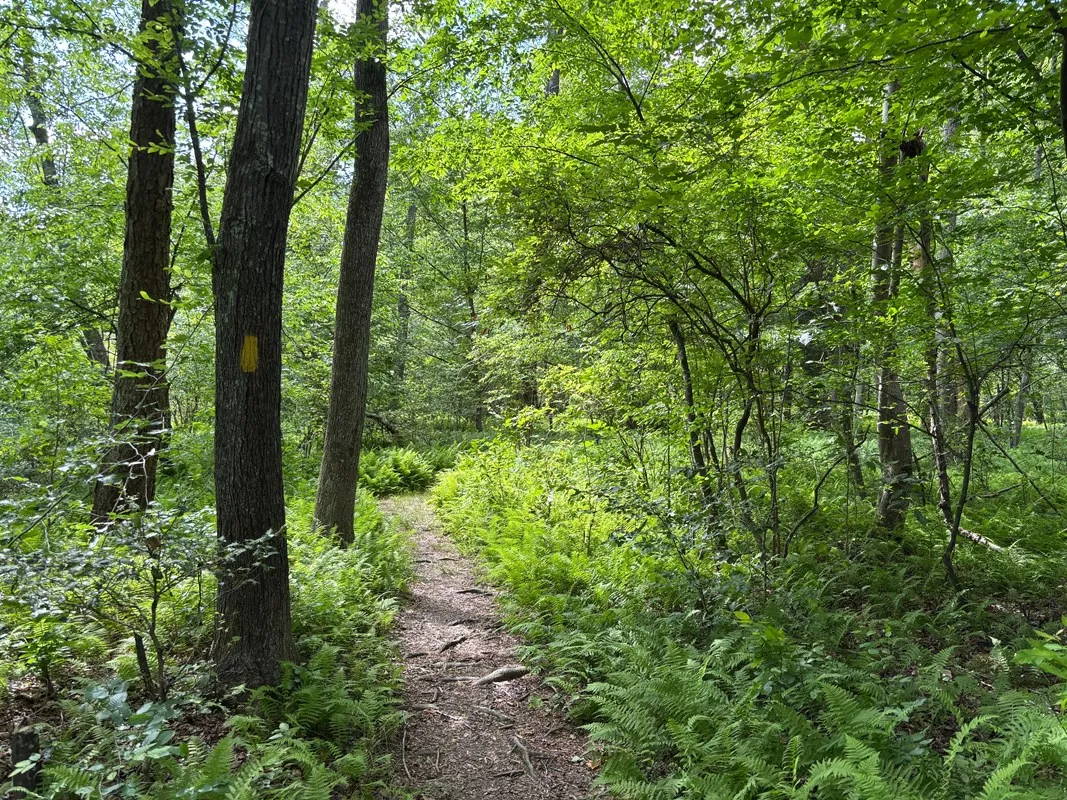
The park lists about 37 miles of hiking trails, including routes along the forks of Quantico Creek and across low ridges. Trailheads are reached from Scenic Drive, the visitor center and campground areas. Rather than picking a route by mileage alone, compare elevation, surface, stream crossings and the time available before sunset.
The park identifies the 1.6-mile Piedmont Forest Trail as a relatively level option. For any trail, check the latest conditions and use the official map. Rain can make roots, soil and crossings slippery, and a route that is easy on a dry morning may feel quite different after a storm. Carry water, appropriate footwear and a way to navigate without relying entirely on cell service.
Families can turn a shorter walk into a patient observation trip: notice the changing tree cover, listen for birds and look for signs of seasonal life without collecting plants or disturbing animals. Stay on designated paths and pack out food and other waste.
3. Explore Scenic Drive at a comfortable pace
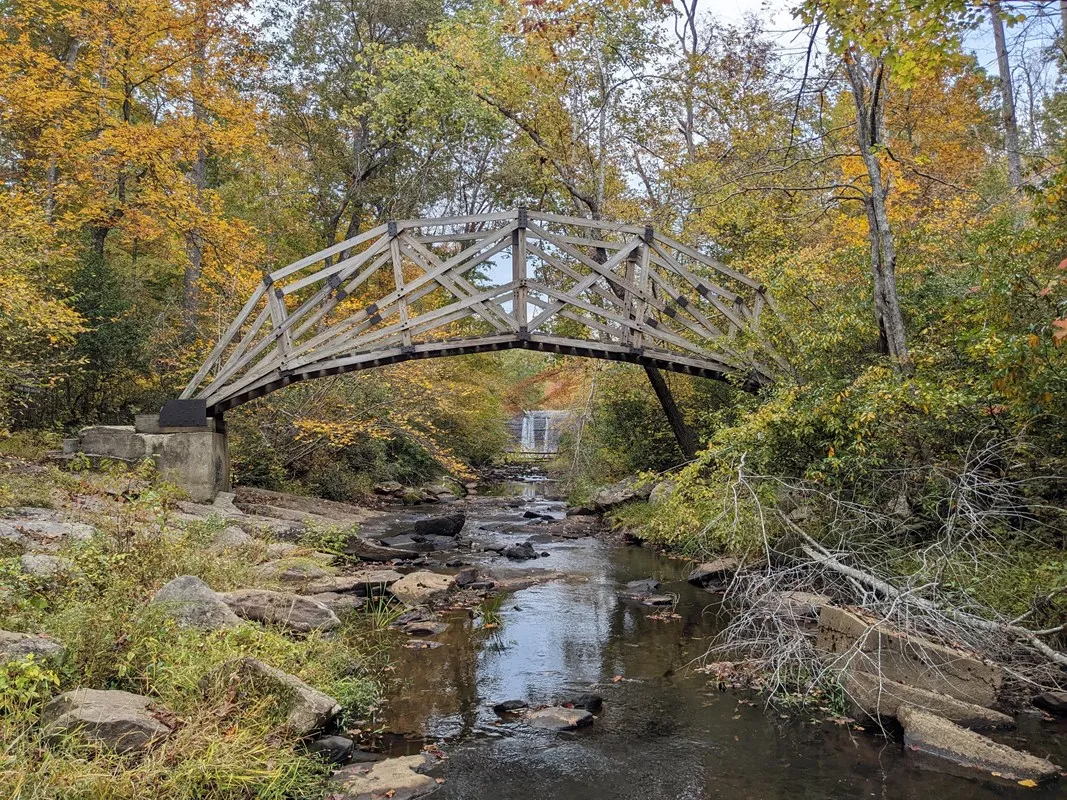
Scenic Drive winds through the forest and connects visitors with trailheads and picnic spots. The park describes the full drive as 11.3 miles, with a 7.3-mile loop. Pull into designated parking areas before consulting a map or photographing the woods, and watch carefully for people walking and cycling.
The park notes that part of the road has a designated pedestrian and bicycle lane. Cyclists should check the route description: the first two miles include steep grades and blind curves and are recommended for experienced riders. The rules for paved roads, gravel roads and trails are not interchangeable, so consult the park’s cycling map rather than assuming every hiking trail permits bikes.
For a relaxed half-day, combine a portion of the drive with one well-chosen walk and a picnic. You will spend more time enjoying the forest and less time racing between parking lots.
4. Look for the history within the woods
The park’s story includes former communities, the creation of recreational facilities in the 1930s and historic cabin camps. Ask the visitor center about interpretation and current programs to learn how this landscape changed over time. Historic buildings and camp areas may have restricted access, especially when reserved or occupied, so respect signs and other guests’ privacy.
Camping can turn a day trip into a longer stay. Options include campgrounds and cabin facilities with different seasons, reservation requirements and rules. The park’s published information also notes a backcountry area where a permit is required. Verify availability, amenities and access directly before making plans; do not assume a cabin or campsite can be used without a reservation.
5. Plan around daylight, weather and access
The park grounds are generally open from sunrise to sunset, with separate rules for registered overnight visitors. Visitor-center hours and campground seasons vary. Check official alerts on the day of travel, especially after heavy rain or during winter weather, and tell someone your route if you are heading farther into the trail system.
Accessibility varies by facility and trail. The National Park Service publishes a detailed mobility guide for the visitor center, Scenic Drive, picnic areas and campgrounds; use it to decide which stops work for your party. Take water, insect protection in season and layers for changing temperatures.
There is no need to see the entire park at once. A quiet forest trail, a stop beside the creek and a drive through the trees are enough to make this Virginia escape feel far from the interstate.