On Virginia’s Eastern Shore, a visit to Chincoteague National Wildlife Refuge can include a quiet marsh, a lighthouse, a beach and the possibility of seeing the famous ponies. The ponies are the draw for many first-time visitors, but the protected landscape has plenty to discover even when the animals remain out of sight.
The refuge occupies the Virginia portion of Assateague Island, reached by road through the neighboring town of Chincoteague. Give yourself time to explore at a wildlife-friendly pace and check current refuge alerts before leaving: storms, seasonal conditions and habitat management can change access.
1. Start by understanding the two islands
Chincoteague is the inhabited island and town where visitors find lodging, restaurants and the road to the refuge. Assateague is the barrier island to its east, with marshes, dunes and ocean beach. The refuge protects habitat on Assateague, while Assateague Island National Seashore also has facilities in the Virginia district. These overlapping names can be confusing when planning a first trip.
The island extends into Maryland, but there is no road connecting its Maryland and Virginia entrances on the island itself. Choose your entry point before setting your navigation, especially if you have a reservation or a specific activity in mind. The refuge’s visitor information has driving directions and the latest access details.
2. Watch for ponies without approaching them
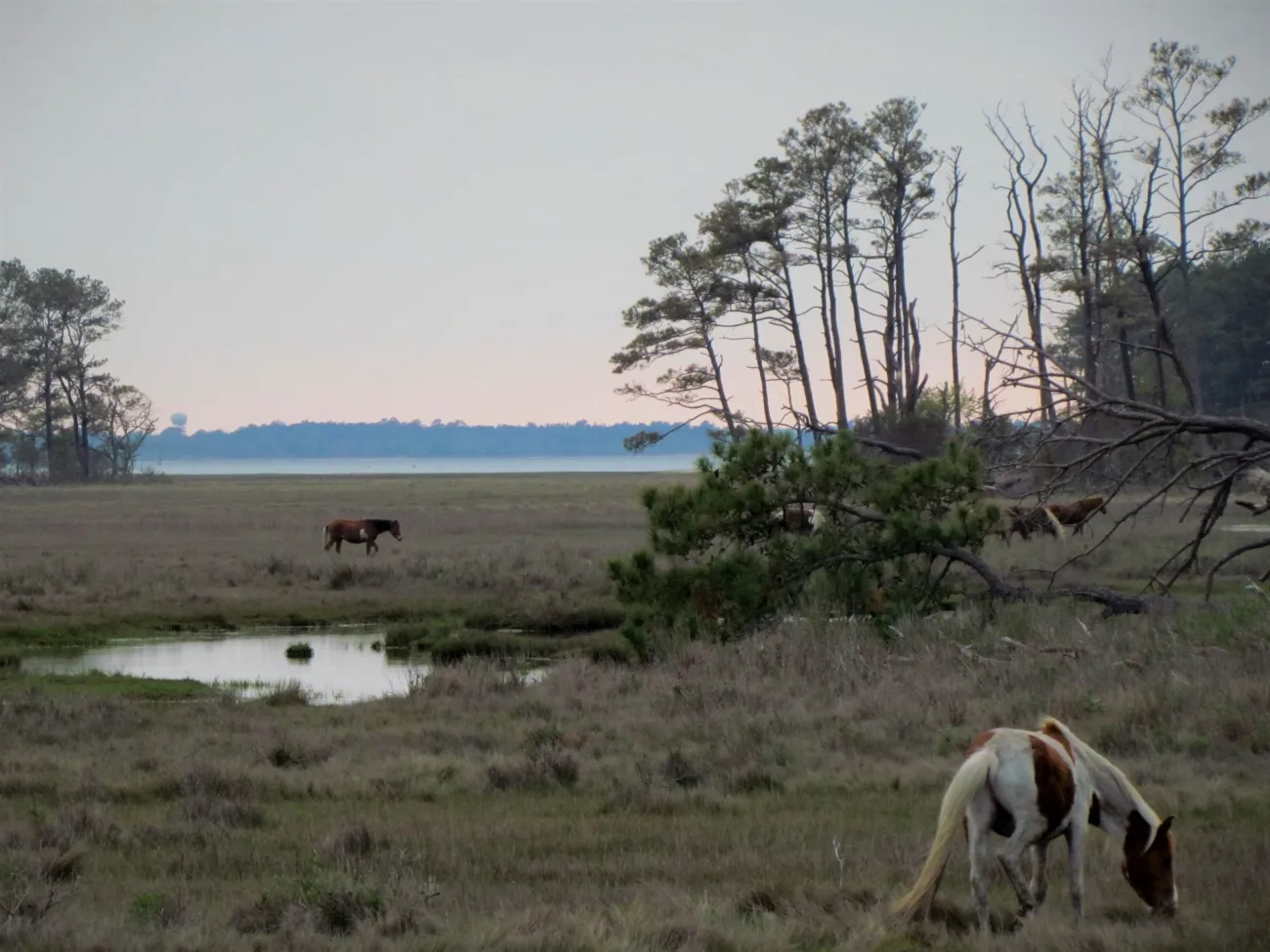
The Chincoteague ponies graze on Assateague. The refuge suggests looking west from Beach Road or trying the overlook on the Woodland Trail. Sightings are never guaranteed: the animals move, and vegetation or distance can make them difficult to spot. Binoculars or a camera with a zoom lens are more useful than trying to get closer.
Treat them as wildlife and give them space. Never feed, touch or crowd the animals, and stay on public routes. A distant, unhurried view is better for the ponies and makes for a more rewarding experience than a traffic-stopping scramble for a photograph.
3. Take the Wildlife Loop at the right time
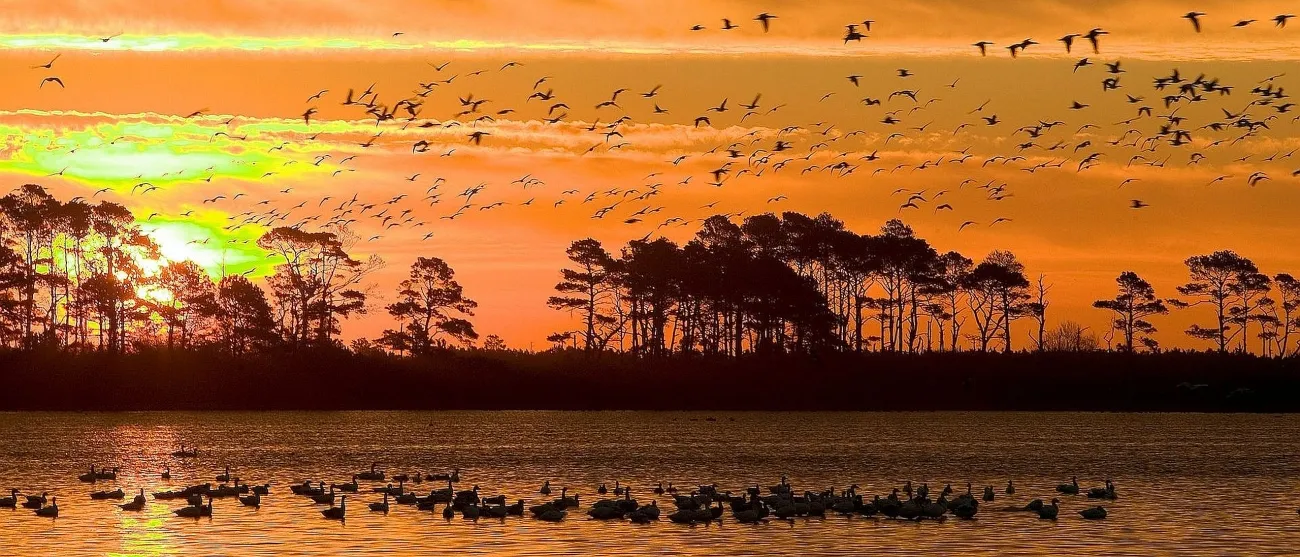
The Wildlife Loop is an opportunity to observe marsh and pond habitats. Walk or bicycle where permitted, pausing at safe places to scan the water and edges for birds. Depending on the season, the scene might be entirely different from the one a previous visitor described, so look closely rather than chasing a particular checklist.
The loop opens to vehicles at 3 p.m. and remains open for the driving tour until dusk, according to the refuge. That timing matters: if a car tour is your priority, plan another activity earlier in the day and verify the current schedule before traveling. Respect posted closures and avoid blocking other visitors when stopping.
4. Add the Woodland Trail and lighthouse area
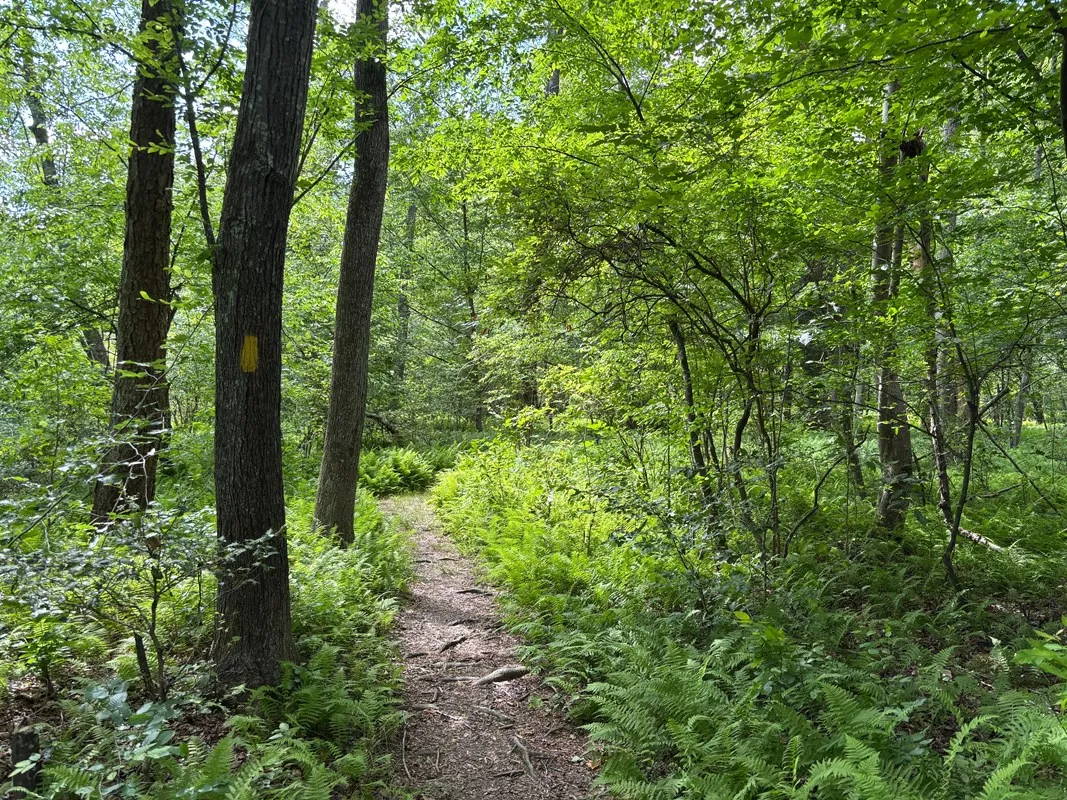
The Woodland Trail offers a different view of the refuge, with trees, habitat for Delmarva fox squirrels and a pony overlook. The refuge describes the route as 1.6 miles. Allow enough time to walk comfortably and carry insect repellent in warm weather; conditions in coastal marsh country can change quickly.
Assateague Lighthouse adds a landmark to the day. Check the refuge’s current information for trail and lighthouse access rather than assuming the tower is open for climbing. Even a ground-level view gives a sense of the maritime history connected to this stretch of shore.
5. Make time for the ocean beach
An Atlantic beach gives the trip a very different texture from the sheltered marshes. Walk the shoreline, watch the surf from a safe distance and look for shorebirds without disturbing them. The Swan Cove Trail branches off the Wildlife Loop and is a popular route toward the beach, though access can change with conditions and wildlife protection.
The beach is exposed to sun, wind and changing weather. Bring drinking water, sun protection and footwear that works on hot sand, and check posted advisories and any lifeguard information. Leave dunes, nesting areas and other closed sections alone; these are working habitats, not simply scenery around a recreation area.
6. Plan around the seasons
Refuge road, beach and trail hours change during the year. The current posted schedule ranges from early-morning to evening access in summer to a shorter day in winter. Visitor-center hours have their own schedule, so check the official page shortly before visiting rather than relying on a year-round opening time. An entrance pass or fee applies.
One easy first-day plan is to walk the Woodland Trail, pause for lunch in Chincoteague, return for the afternoon Wildlife Loop and finish with a beach walk if conditions allow. Keep the plan flexible: a clear view of a marsh, a flock of birds or a pony in the distance can turn an ordinary stop into the highlight.