Virginia’s Great Falls Park packs a surprising amount into a small stretch of the Potomac: roaring water, a narrow gorge, trails through the woods and the remains of an ambitious early canal. It is close enough to Washington, D.C., for a day trip, yet the falls feel like a destination in their own right.
Start with the three overlooks near the visitor center. Then choose a short history walk, a longer trail or a picnic depending on your time. The National Park Service asks visitors to stay behind railings and out of the river: swimming and wading are prohibited throughout the park.
1. See the water from Overlook One
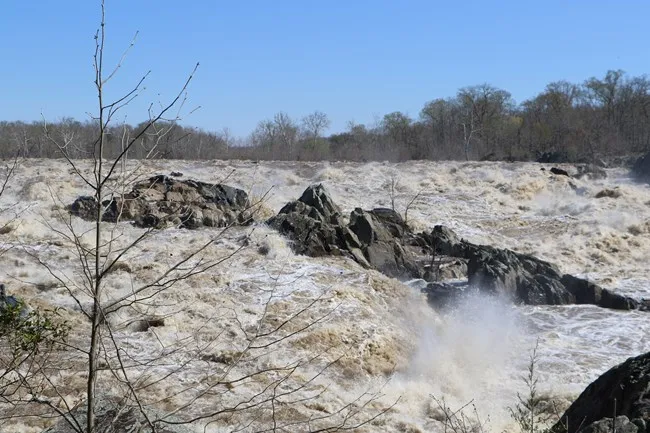
The first overlook is the closest of the three to the falls themselves. A short path leads down from the south end of the visitor center, with steps to a dirt platform and a rocky viewing area. From here, the river breaks around the rocks in a series of powerful channels. How dramatic it looks will change with the water level and recent weather.
The footing makes this the most demanding of the three viewing areas. Keep children close, remain behind the railings and take your time over the rocks. A short walk should not be mistaken for a risk-free riverbank; the park warns that falls from the overlook can be fatal.
2. Choose Overlook Two for an easier approach
Farther along the trail, Overlook Two offers a broad view of much of the waterfall from a large platform with benches. A ramp and a short compacted-gravel path provide an alternative to the staircase. It is a good choice if the uneven ground at the first overlook is not comfortable for someone in your group.
Consider visiting more than one platform before deciding which view is your favorite. Each changes the relationship between the tumbling water, the exposed rocks and the gorge, and the distance between the overlooks is modest. Park information describes all three as a five- to ten-minute walk from the visitor center.
3. Look downstream from Overlook Three
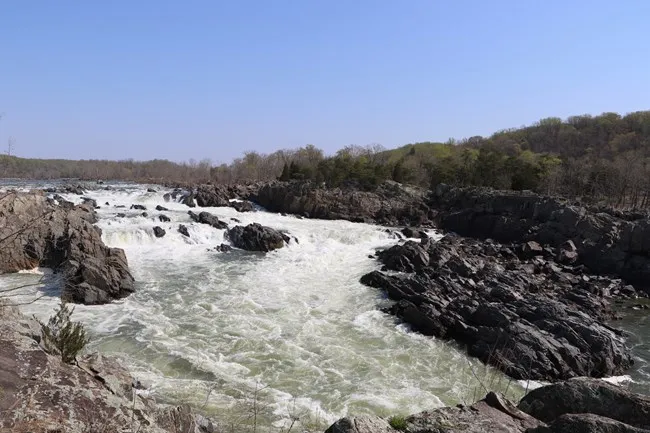
Continue across the next footbridge to reach the final overlook. Its two platforms look toward the falls and along Mather Gorge. On the way, notice the high-water marks pole: it gives a memorable sense of how much the river can rise during floods, even when conditions appear calm on a particular day.
Overlooks Two and Three have ramps and relatively level gravel approaches. Accessibility needs vary, so consult the park’s current mobility information before leaving and allow extra time for the walk. The views are reached on foot; vehicles cannot drive directly to the falls.
4. Follow the story of the Patowmack Canal
Great Falls is also a place to consider how people tried to travel around a difficult river. The Patowmack Canal was built to help boats bypass the falls, and surviving features tell part of that early transportation story. The canal trail and interpretive signs make a thoughtful contrast with the natural overlooks.
Rather than trying to cover every trail, look at a park map and pick a manageable section. The canal trail to the holding basin and guard gate has an accessible route according to the park. Conditions and individual abilities vary, and a ranger can help explain the options when the visitor center is open.
5. Add a trail or a picnic
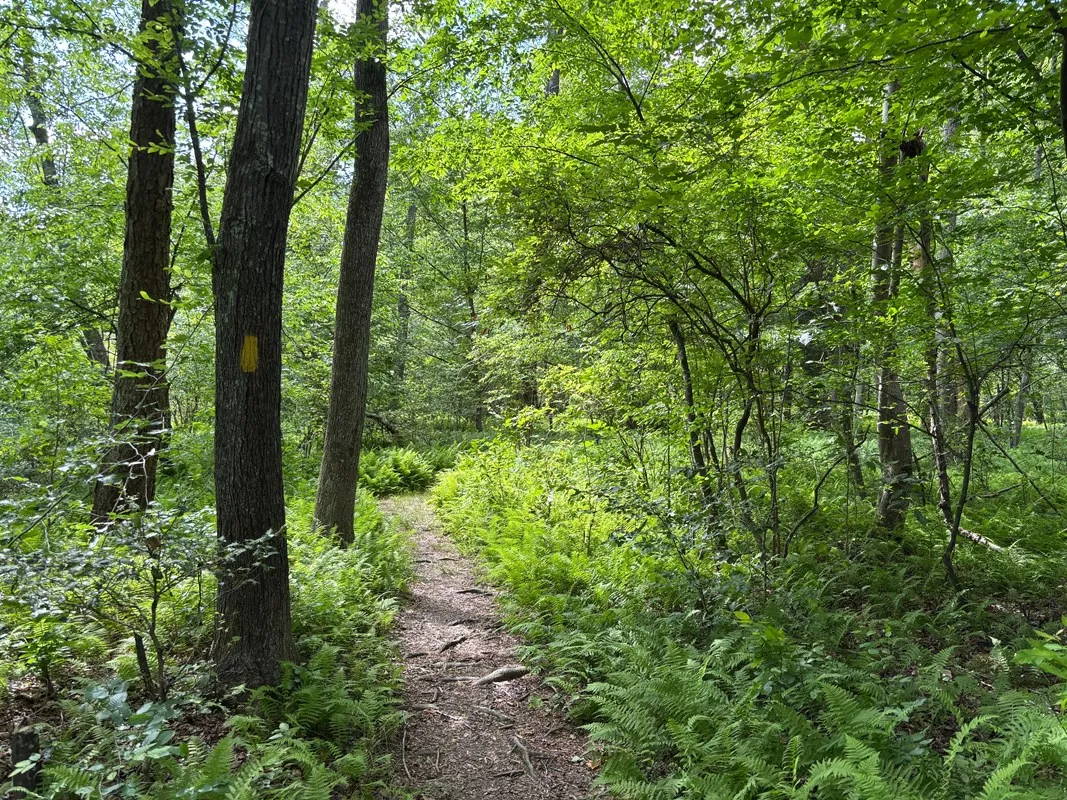
The River Trail heads downstream from Overlook Three along the gorge. Its scenery rewards the extra effort, but much of the park’s trail network is rocky and uneven. Bring sturdy footwear, water and a map; turn around when the route or weather no longer suits your group. Dogs are allowed on leash, with restrictions in the visitor center and on ranger programs.
For a gentler stop, use the park’s picnic area and give everyone time to watch the river from the designated overlooks. Tables are first come, first served. Pack out what you bring, follow posted rules for grills, and leave the rocks and shoreline undisturbed.
6. Plan for the Virginia entrance and busy weekends
Great Falls Park is on the Virginia side of the Potomac. The Maryland side is a separate destination within Chesapeake and Ohio Canal National Historical Park, so check directions carefully; a plan for one side does not mean you can simply cross the river at the falls.
The park generally opens at 7 a.m. and closes at dark, with separate visitor-center hours and an entrance fee. It can fill on attractive weekends, and the park warns that entrance waits can be substantial. Check current hours, alerts, fees and weather before setting out, and have a backup plan if the parking area is full.
The simplest itinerary is a good one: start early, visit the overlooks, explore a little canal history and choose one walk that fits the day. The sound of the water does the rest.