Historic Jamestowne sits beside the James River on land with a history far older and more complicated than the English settlement established there in 1607. Indigenous people lived in the region for thousands of years. English colonization brought conflict, disease and dispossession; the arrival of the first recorded Africans in English Virginia in 1619 is also central to understanding the development of slavery in the colony.
Today the site combines National Park Service and Jamestown Rediscovery/Preservation Virginia interpretation. Archaeology, exhibits, river views and a scenic island drive make a visit rewarding, but the stories are best approached with curiosity rather than a single celebratory narrative. Here are five ways to plan a fuller day.
1. Begin at the visitor center and check the day’s programs
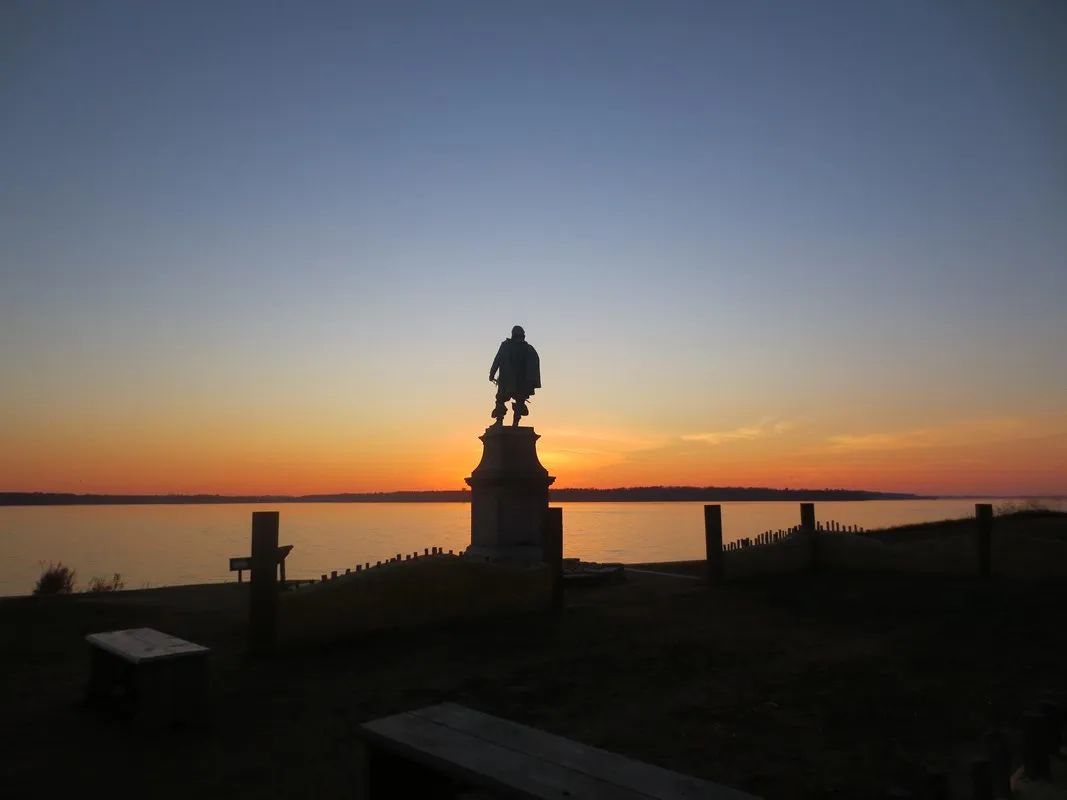
Stop at the Historic Jamestowne Visitor Center for a map, orientation and ticket information. The site is jointly interpreted, and admission involves National Park Service and Jamestown Rediscovery portions. Check the current operator’s visit guide for the applicable fees, passes and any discounts before arriving; charges and program schedules can change.
Ask what ranger walks, archaeology talks or living-history programs are offered that day. Some are seasonal or depend on staffing. Historic Jamestowne is the original archaeological site; Jamestown Settlement is a separate museum attraction nearby, so confirm which destination your directions and tickets refer to.
2. Explore the archaeological landscape
Archaeological investigation has transformed understanding of the early English settlement. Foundations, excavation areas and interpretive signs invite visitors to look beyond the visible surface and consider how researchers use material evidence alongside written records. Excavation work may not be active during every visit, so ask what can be seen on the day.
The Jamestown Rediscovery archaeology museum, known as the Archaearium, displays finds from the site and provides context for objects that might otherwise look ordinary. Give yourself enough time to read the interpretation and consider whose experiences are represented, including Indigenous people, Africans and English colonists.
3. Make room for Indigenous and African histories
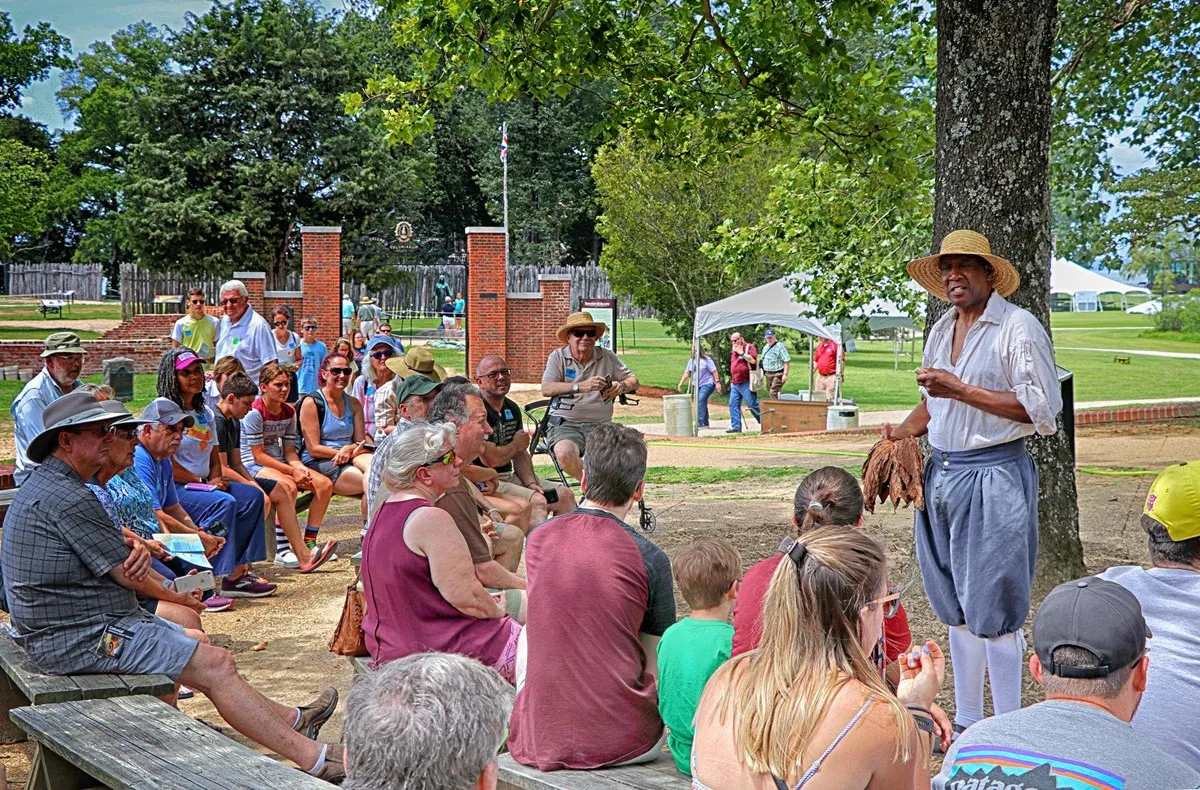
The island was not an empty place waiting for English colonists. The National Park Service describes evidence of Indigenous use of the island long before 1607, while the early English encountered the Paspahegh and other peoples of the Powhatan chiefdom. Interpretive materials and tours can help explain how the settlement altered existing communities and relationships.
The lives of Africans in early Virginia are equally important to the story. Look for interpretation of individuals and the development of enslavement, and ask staff about relevant tours or exhibits. These accounts make the visit more complete and invite questions that the archaeological record continues to help answer.
4. See the glasshouse and explore New Towne
Near the entrance, the Glasshouse interprets one of the settlement’s early industries. Modern artisans use methods and tools related to those used by early glassblowers, while the remains of historic furnaces tell a separate archaeological story. Check current demonstration hours; the interpretive facility is a reconstruction and the present-day furnaces use modern fuel.
New Towne offers another view of a settlement that expanded beyond its earliest fort. Walk at a comfortable pace, read the signs and look for evidence of streets and building foundations. Much of what archaeologists have found is not a standing building, so a map or ranger-led walk can make the landscape much easier to understand.
5. Take the island loop and plan your timing
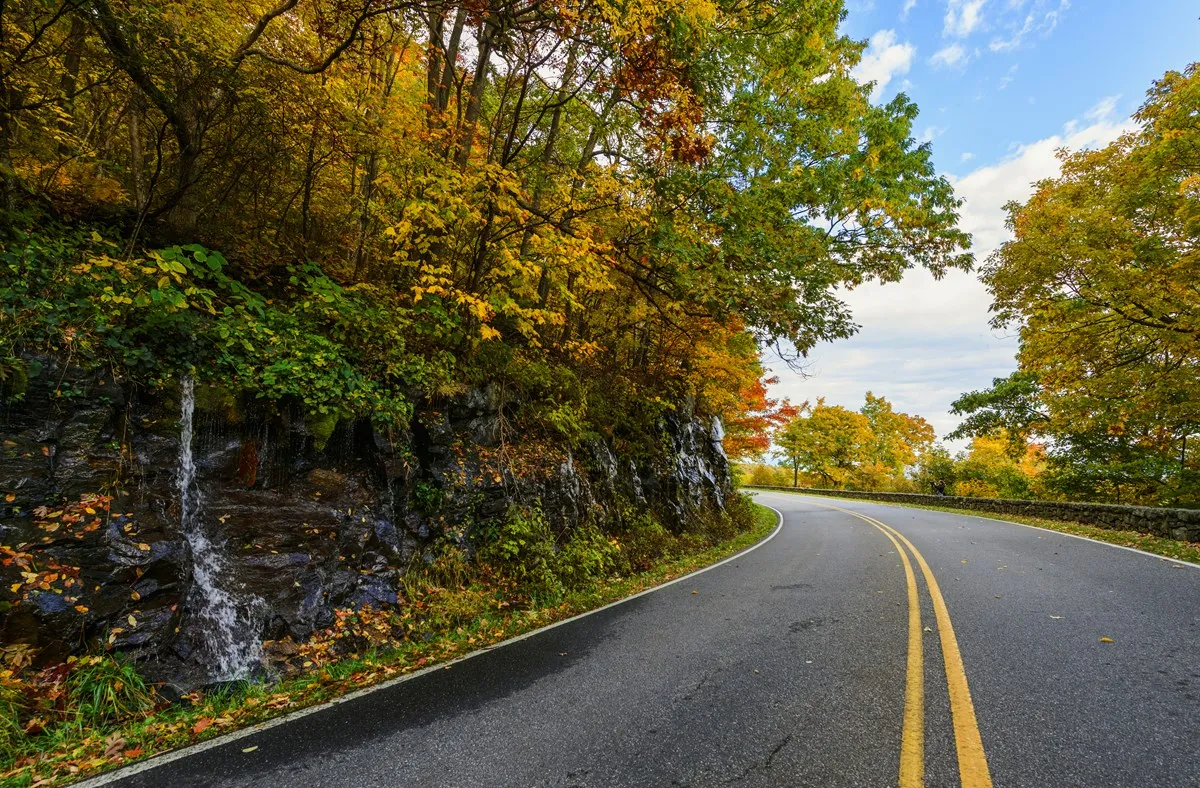
Historic Jamestowne includes a paved island loop drive, with shorter and longer routes through a landscape of marsh and woodland. It provides a change of pace after the exhibits and a reminder that people used this area long before the English settlement. Watch for cyclists and pedestrians, obey posted limits and check the current road status before setting out.
The entrance gate has its own hours, and the museum, glasshouse and programs may operate on different schedules. Check the current visitor guide and National Park Service alerts, particularly around holidays or severe weather. Bring water and sun protection for the outdoor portions, and consult the accessibility page for information about paths and facilities.
For a first visit, allow time for the visitor center, archaeological area, museum and at least one guided activity before adding the loop. The aim is not to race between landmarks; it is to understand the many people whose lives intersected here and the evidence that helps tell their stories.