Lake Crescent sits between forested mountains on Washington's Olympic Peninsula, its clear water changing color with the light. Highway 101 follows the southern shore, but the lake rewards more than a drive-by glance. A historic lodge, waterfall walk and old railroad route offer different ways to slow down and see the landscape.
Lake Crescent is part of Olympic National Park, and conditions can change with storms and seasons. Start with the park's current alerts, choose stops that fit your group and allow time for the drive. These seven ideas make a useful first visit without requiring a strenuous mountain climb.
1. Begin at Barnes Point
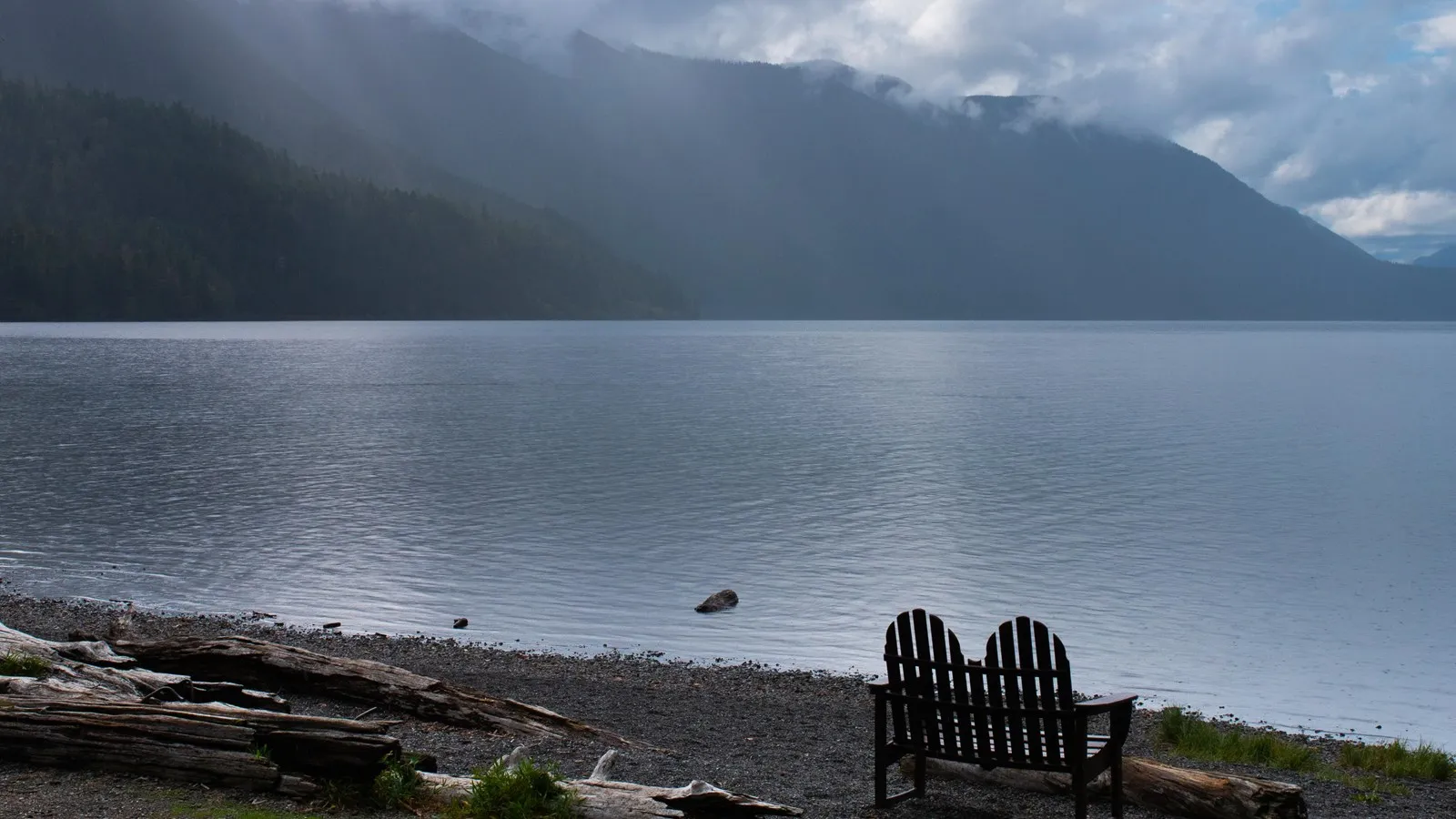
Barnes Point on the lake's south shore is a practical place to orient yourself. The area includes the Storm King Ranger Station and access to nearby trails and Lake Crescent Lodge. Look across the water before setting out: the surrounding slopes make it clear why the lake feels enclosed even though the highway is nearby.
As of the park's November 14, 2026 conditions update, the Barnes Point area, restrooms and nearby trailheads were open, while Storm King Ranger Station was closed for the season. Check the latest status before traveling; hours and access can change with weather or maintenance.
2. Walk toward Marymere Falls
The Marymere Falls trail begins near the Storm King area and leads through forest toward a waterfall. It is a good choice for visitors who want a walk with a clear destination and time among large trees. The viewing area and falls are only part of the experience: listen for water and notice how the forest changes along the route.
Consult the park's current trail description and map for distance and accessibility, and expect uneven surfaces and steps near the falls. Wet roots and stairs can be slippery. Stay on the path and behind barriers, especially when rain has increased stream flow.
3. Choose a shorter forest walk
The Moments in Time trail near Barnes Point provides another way to experience the lake and forest without committing to a long hike. Interpretive opportunities encourage visitors to look at changes in the landscape as they move through it. If you are traveling with children or a group with varied energy levels, ask park staff whether the route and its current surface are a good match.
Do not assume every short trail is fully accessible. The park publishes detailed accessibility information, and conditions can change after rain or storms. Bring a layer and footwear suited to damp ground, even if you plan to be out for only a little while.
4. Explore part of the Spruce Railroad Trail
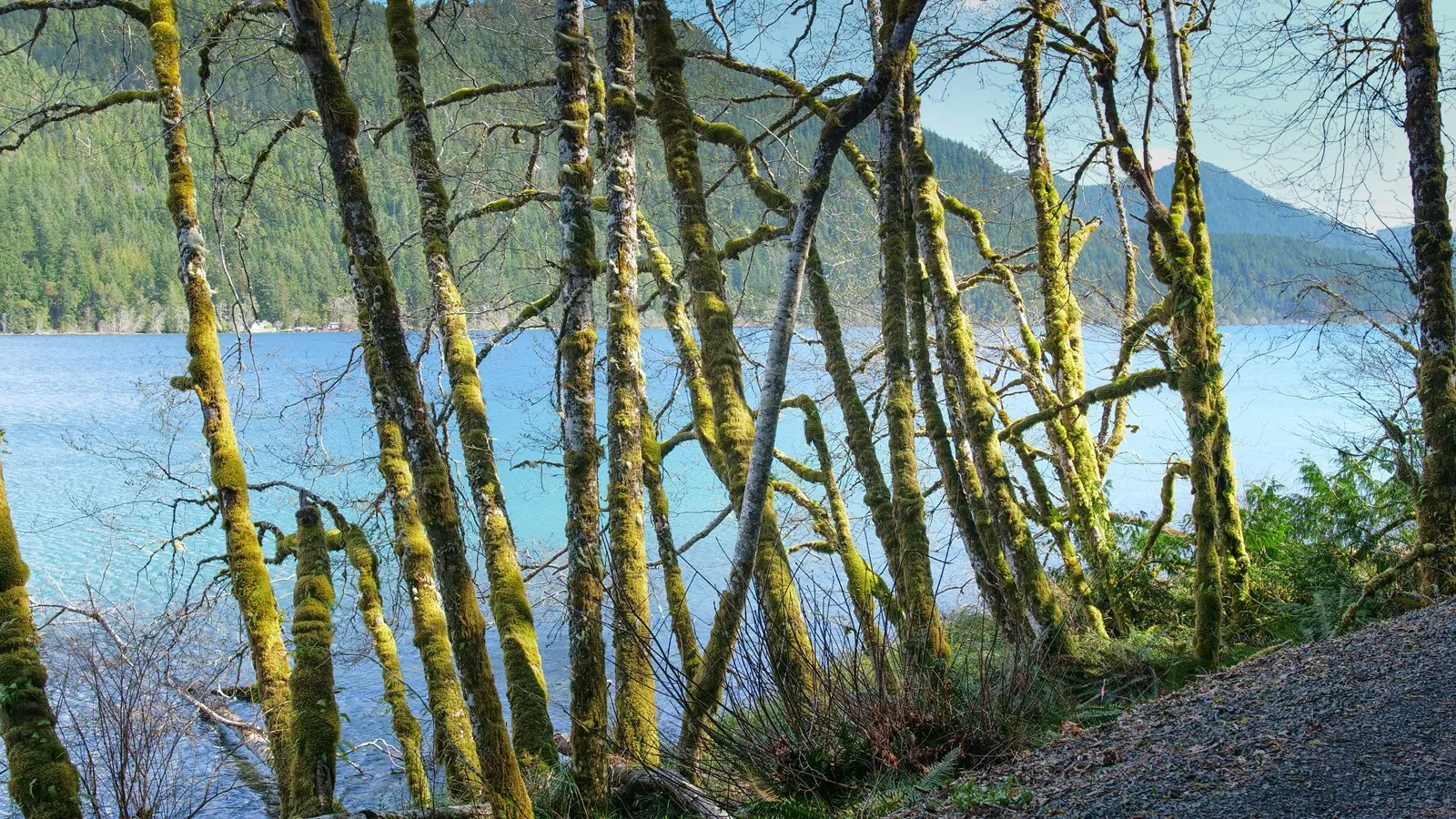
On the north shore, the Spruce Railroad Trail follows an old rail route along Lake Crescent. The park describes four miles between access points at East Beach Road and Camp David Jr. Road. Walking a short out-and-back section offers lake views without committing to the full route; remember that every mile outward is another mile back.
Bicycles and pets are permitted on this trail, according to the park. Share the route, keep pets under control and check current rules and trail conditions. In its November 2026 update, the park listed access from both trailheads as open; confirm the latest status before leaving, as storms can change that.
5. Pause at the historic lodge
Lake Crescent Lodge, built in 1916, sits on the south shore. The National Park Service notes that Franklin D. Roosevelt visited in 1937, before signing legislation establishing Olympic National Park the following year. The lodge and its setting connect the lake's recreation history to the larger story of park protection.
Rooms, dining and other services are managed by a concessioner and may follow seasonal schedules. Check current availability before planning a meal or overnight stay. Even if you do not stay, an appropriate public area near the lake can provide a peaceful pause between walks; respect signs and spaces reserved for guests.
6. Make a careful plan for the water
The lake can look invitingly calm, but cold water, wind and changing weather call for preparation. If you plan to paddle or boat, wear a properly fitted life jacket, check the forecast and launch conditions, and use a craft suited to your experience. Clean, drain and dry equipment according to current park guidance to help protect the lake.
The park's November 2026 conditions page listed the Storm King and Fairholme boat launches as open, but this is a status to verify, not a permanent guarantee. Check current rules, parking and seasonal services, and never launch into conditions beyond your group's ability.
7. Keep the trip flexible
Highway 101, park roads and trails can be affected by weather and construction. Carry food, water and a map, leave extra time and use designated pullouts rather than stopping on a curve for a photograph. Check campground and lodge operations directly if you plan to stay overnight.
More ambitious routes, including Mount Storm King, require a different level of preparation. The park warns that terrain beyond the end of the maintained trail is steep and exposed and that ropes placed by visitors are not maintained by the National Park Service. A lakeside walk and a waterfall can make a complete day without taking on that extra risk.
Lake Crescent is best enjoyed with room in the schedule. Choose one trail, a place to pause by the water and a safe route home, and let the mountain and lake views fill the spaces in between.