West of Walla Walla, Whitman Mission National Historic Site preserves a portion of the Weyíiletpuu, or Cayuse, homeland and interprets a painful period of change in the Columbia Plateau. The site is connected with the mission established by Marcus and Narcissa Whitman in 1836, the arrival of increasing numbers of American immigrants, devastating epidemics and the violence of 1847.
It is a place for a thoughtful walk as well as a history lesson. The National Park Service works with the Confederated Tribes of the Umatilla Indian Reservation to present the continuing Cayuse story. Begin with that broader context, allow time for the exhibits and trails, and treat memorial areas with respect.
1. Begin with the Cayuse homeland
The Walla Walla Valley was a homeland long before American missionaries arrived. The park’s brochure describes the enduring relationship of the Weyíiletpuu with the land, plants, animals and natural cycles. Starting there changes how a visitor understands the mission: it was established within a living Indigenous community, not on an empty frontier.
The visitor-center museum includes exhibits concerning the Cayuse, the Whitmans and others connected with the place. Check opening hours before traveling; the grounds and museum do not necessarily share the same schedule, and the visitor center has seasonal closures. Ask staff about available interpretation and the park’s self-guided audio tour.
2. Learn how the mission and immigration changed the valley
The Whitmans established a Christian mission among Cayuse people in 1836. Over time, the mission also became a stopping place for some emigrants traveling west. The increasing movement of settlers, their demand for land and the spread of infectious diseases created profound pressures on Native communities.
In 1847, amid a devastating measles epidemic and rising tensions, Cayuse people attacked the mission. Marcus and Narcissa Whitman and other people at the site were killed. The aftermath included further warfare and dispossession. The park’s interpretation places the tragedy within that larger history and acknowledges its lasting trauma rather than reducing it to a single event.
Read the exhibits and tribal perspectives carefully. Different communities experienced these events in different ways, and a full visit should make room for their accounts as well as the stories of the missionaries and immigrants. The park’s brochure and its partnership with the Confederated Tribes provide places to begin.
3. Walk the mission and river trails
The Mission Trail passes outlines of former buildings, including the emigrant house. These outlines help visitors locate activities that once took place here, but the original mission buildings are no longer standing. Look for signs and use the park’s audio tour to connect the visible landscape with the people and events being interpreted.
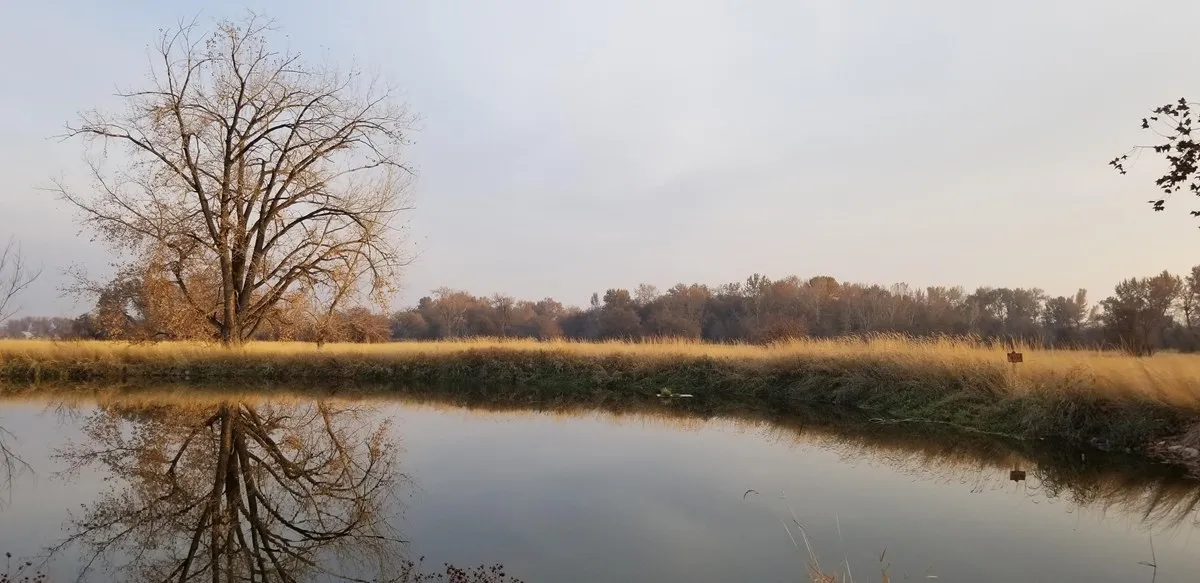
The Walla Walla River forms one boundary of the site, and other paths offer a quieter look at the surrounding landscape. Carry water and suitable shoes, particularly in hot or wet weather. Stay on designated trails and respect any posted closures. The park also has a picnic shelter, which is available when the grounds are open.
4. Take in the valley and plan a respectful visit
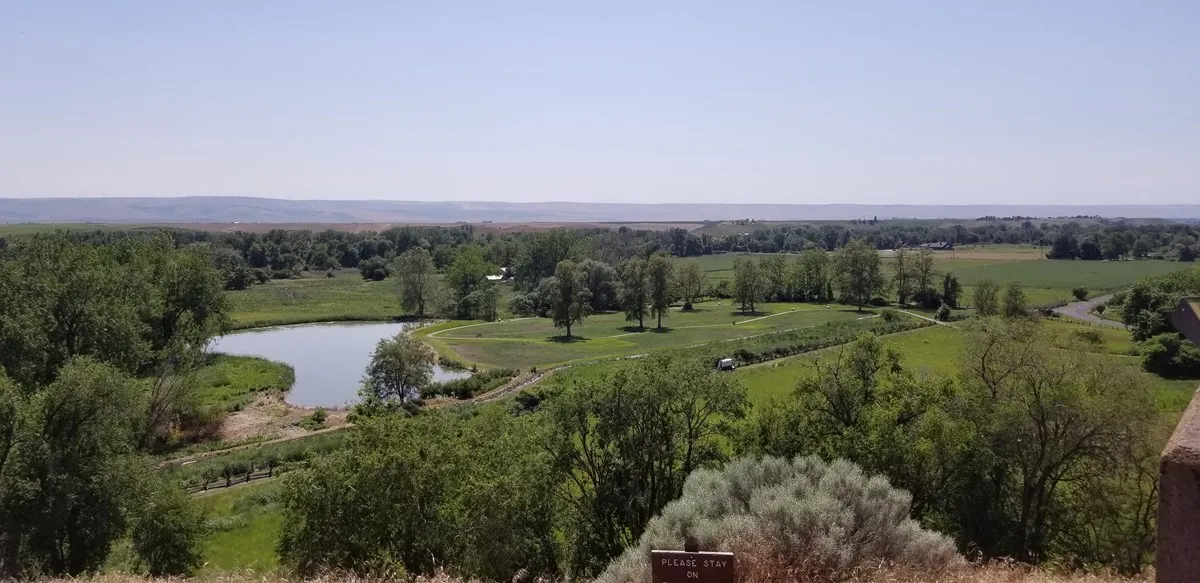
From Monument Hill, visitors can look over the mission site and the wider Walla Walla Valley. The view offers a sense of the distances and geography involved, but it should not distract from the site’s continuing cultural significance. Memorial spaces and the surrounding land deserve a quiet, respectful approach.
Check the park’s current operating hours, weather and accessibility information before leaving Walla Walla. The visitor center and grounds may have different seasonal schedules, and facilities or programs can change. For a first visit, start with the museum if open, follow the interpretive trail and then leave time to reflect or explore the river path.
The park works to tell a difficult story with its tribal partners. Giving that story time and attention makes this more than a quick stop on the way through eastern Washington.