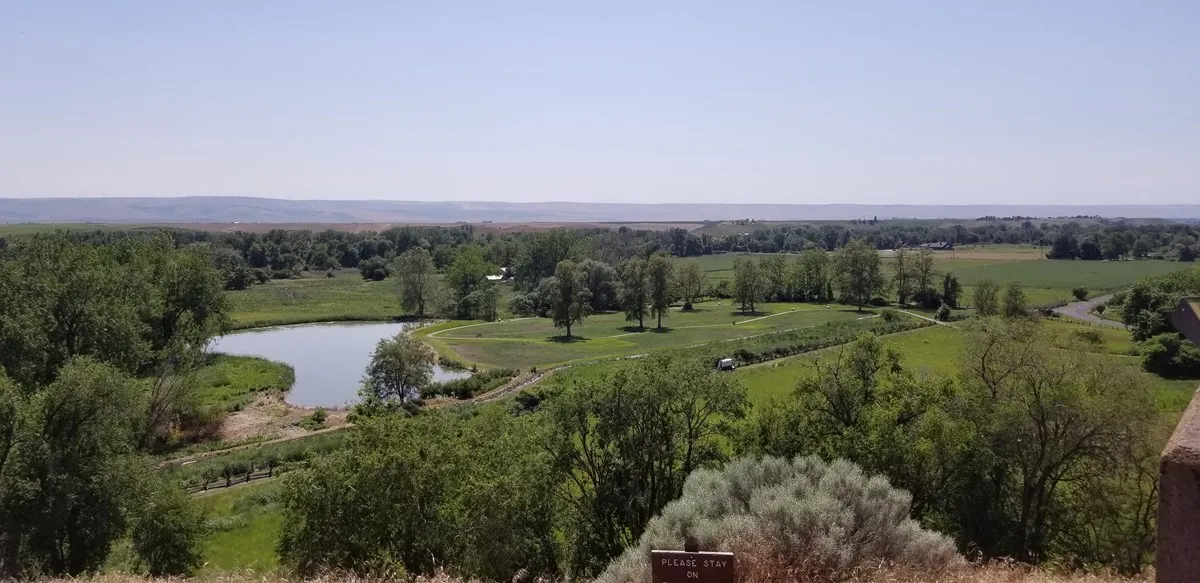
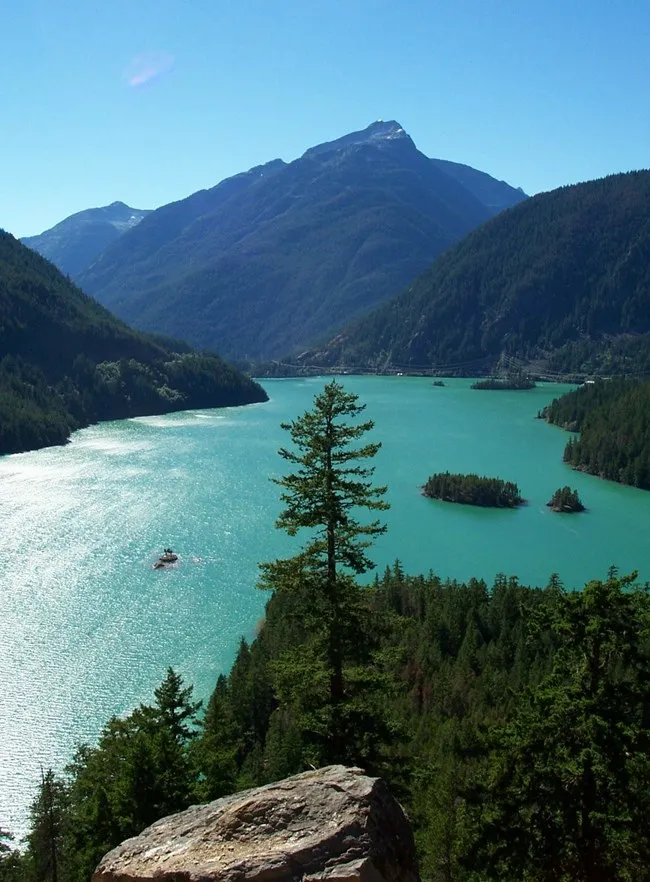
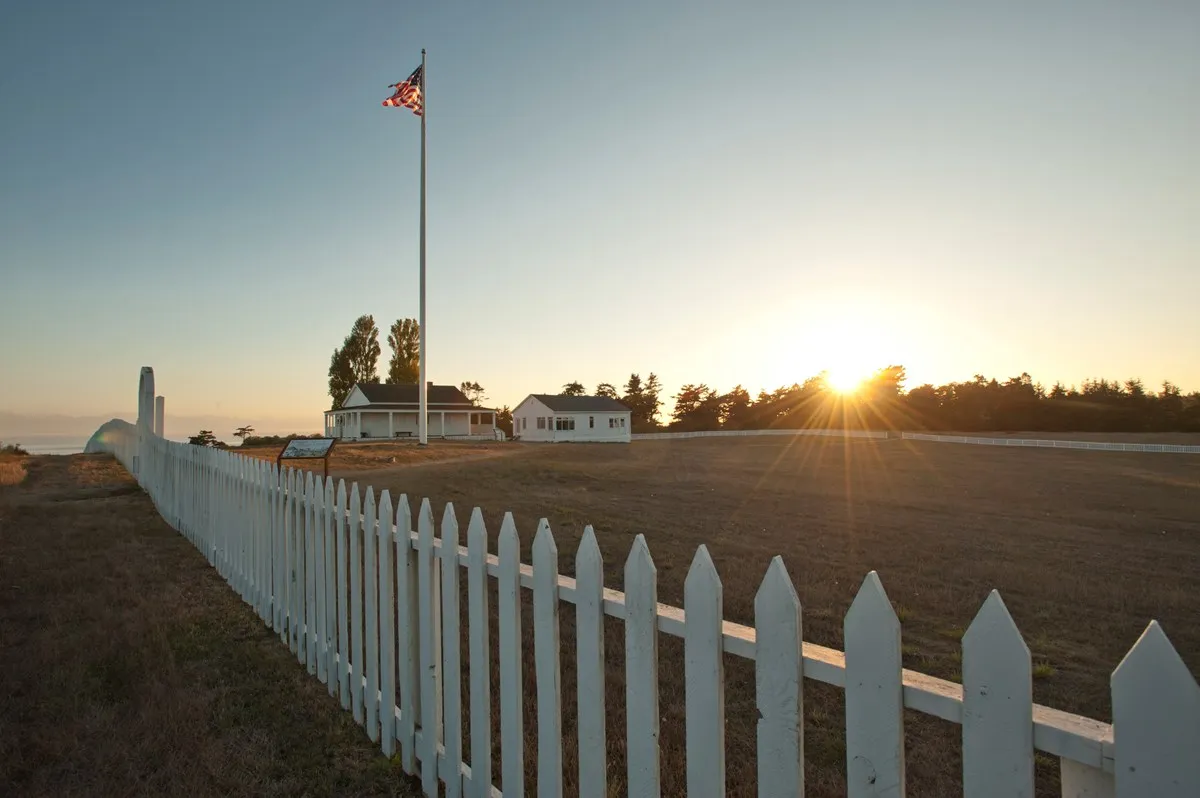
The Washington side of the Columbia River Gorge offers a changing landscape along State Route 14: forested cliffs in the west, a striking volcanic rock beside the river and drier hills farther east. A trip here can be as simple as a scenic drive with a picnic or as active as a steep hike. It also passes through a landscape with deep and continuing significance to Indigenous peoples.
These four ideas cover different parts of the gorge, so pick a manageable section and check current park alerts before starting. Wind, wildfire, high water and trail maintenance can affect plans. State park parking may require a Discover Pass; check the rules for each stop.
1. Take in the gorge near Cape Horn
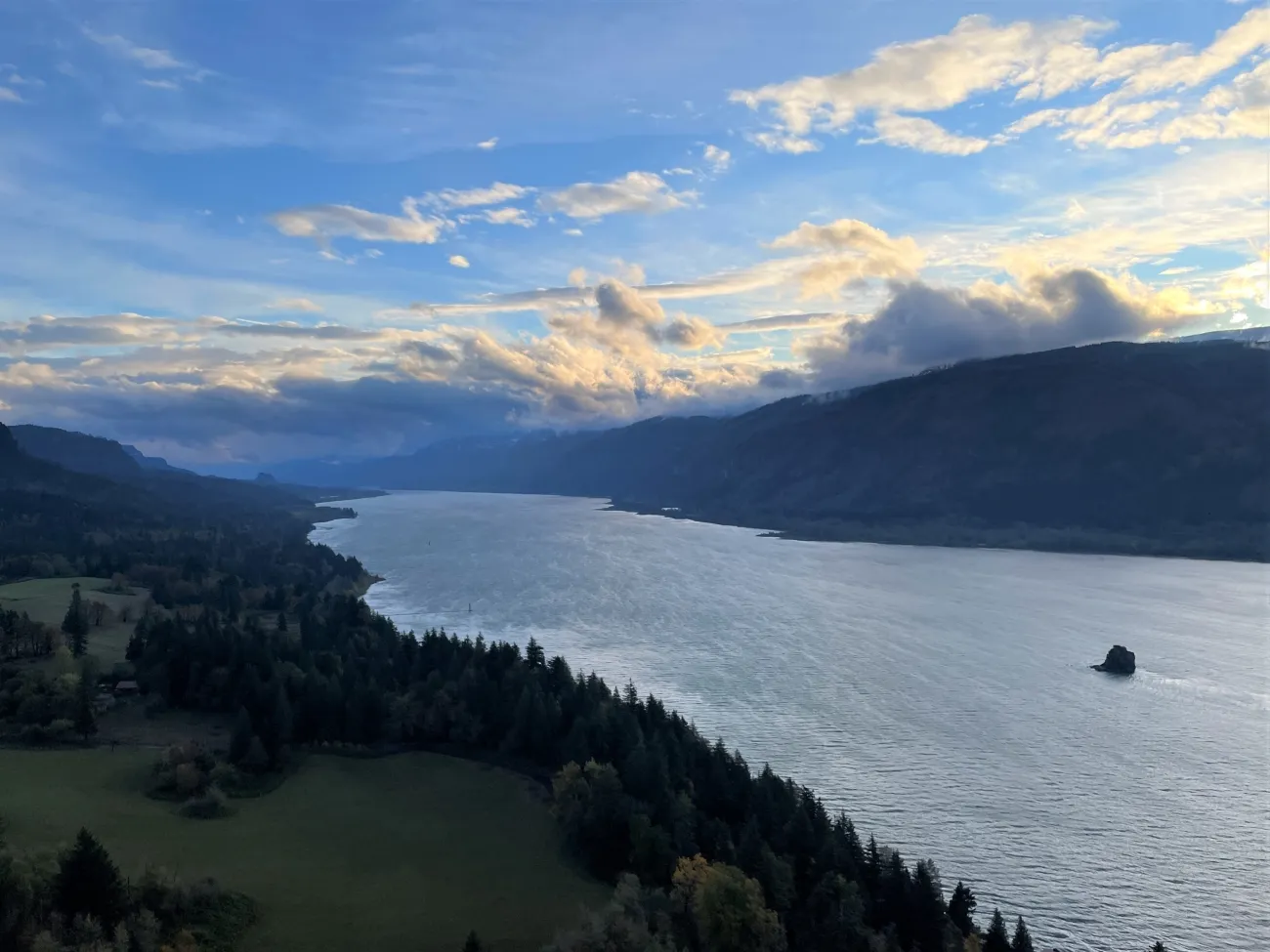
At the western end of the route, Cape Horn offers a broad view across the Columbia and the steep slopes that frame it. The landscape changes with the weather: mist can soften the far shore, while a clear day reveals layers of ridges. Use a designated viewpoint and pull fully off the road before taking photographs.
There are also trails in the area, but access and seasonal wildlife protections can change. Consult the managing agency’s current trail information before choosing a route, and do not assume a viewpoint and a trailhead have the same parking or access rules. Bring layers; a sunny forecast in a nearby town does not guarantee a calm gorge.
The Columbia is a working river corridor as well as a scenic one. Look for trains and boats, but remain behind barriers and off railroad tracks. A quiet few minutes at a safe overlook can be more rewarding than trying to photograph the view through a car window.
2. Visit Beacon Rock State Park
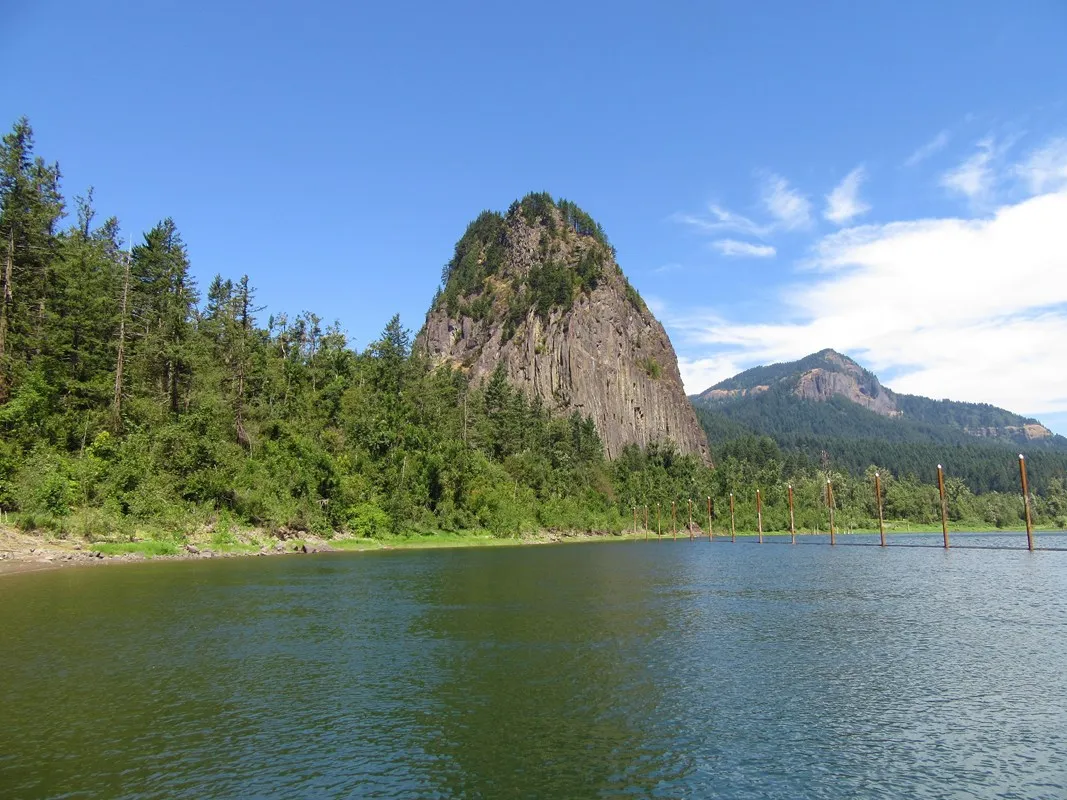
Beacon Rock rises prominently above the Columbia near the heart of the gorge. The National Park Service describes it as a volcanic neck, the resistant material left in a volcano’s conduit after surrounding rock eroded. Washington State Parks manages the surrounding state park, which includes additional trails and camping facilities.
The route toward the top is exposed and can feel intimidating to people uncomfortable with heights. Check its current condition, choose appropriate footwear and turn back if weather or the path does not suit your group. A view from below and a riverside picnic can make a good alternative; a successful visit does not require reaching the summit.
Across the highway, the Hamilton Mountain area offers a different, more demanding hike. Research distance and elevation with the park before setting off, carry water and leave enough daylight for the return. Follow signs and current closure notices throughout the park.
3. Discover the drier country at Columbia Hills
Farther east, Columbia Hills Historical State Park includes Horsethief Lake and several trailhead areas. Spring wildflower season can be particularly popular, and Washington State Parks recommends weekdays for visitors seeking fewer crowds. The open terrain has less shade than the western gorge, so carry water and sun protection even on a short walk.
The park also protects and interprets Indigenous rock art. The Temani Pesh-Wa display can be viewed independently during its posted season, while the Tsagaglalal, or “She Who Watches,” area is accessible only on a reserved tour. Make arrangements through the park in advance; arriving without a reservation does not provide access to that feature.
Approach these places with respect. Stay on approved routes, do not touch or mark rock art, and follow park and tribal guidance. The landscape is not simply a historical exhibit; it remains culturally significant to living communities.
4. Slow down along the river near Maryhill
Maryhill State Park offers another perspective on the Columbia in the eastern gorge. A riverside stop can be a pleasant way to stretch your legs, have a picnic or simply watch the changing light on the surrounding hills. Check current day-use access and facilities before making a long drive for a particular activity.
The differences between Maryhill and the wooded western gorge are part of the trip’s appeal. Plan around the weather: strong winds are common along the river, summer heat can be intense and winter conditions can be severe. Carry drinking water, secure loose belongings and check conditions before boating or going near the water.
For an easy itinerary, choose one western and one eastern stop only if the travel time works for your group. Allow extra time for road delays and enjoy the places between them from safe, designated pullouts. The gorge has enough variety to reward several shorter visits.