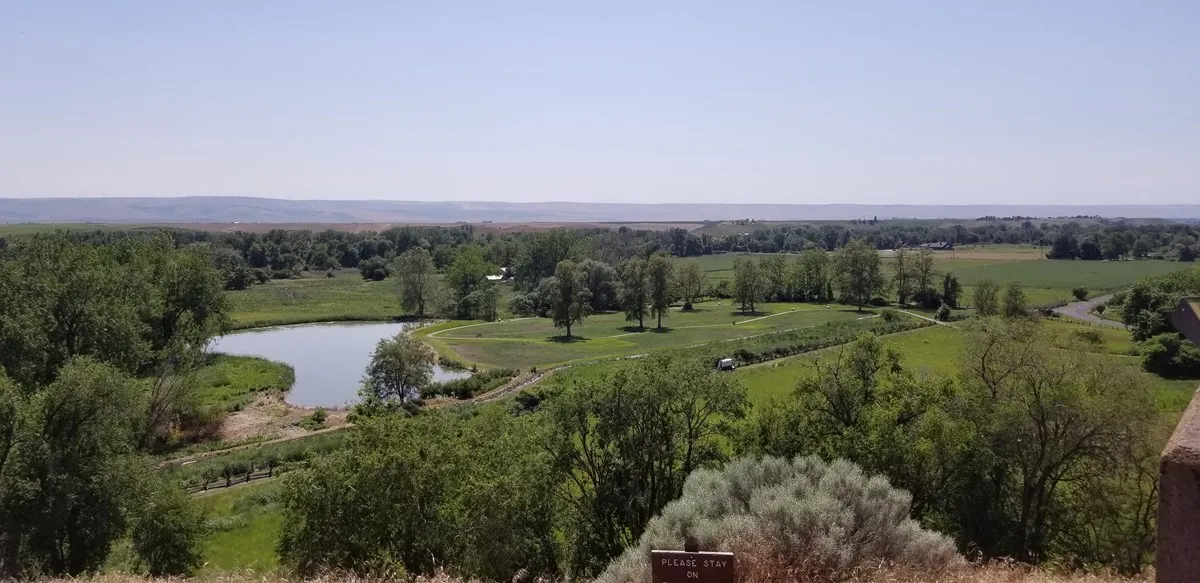
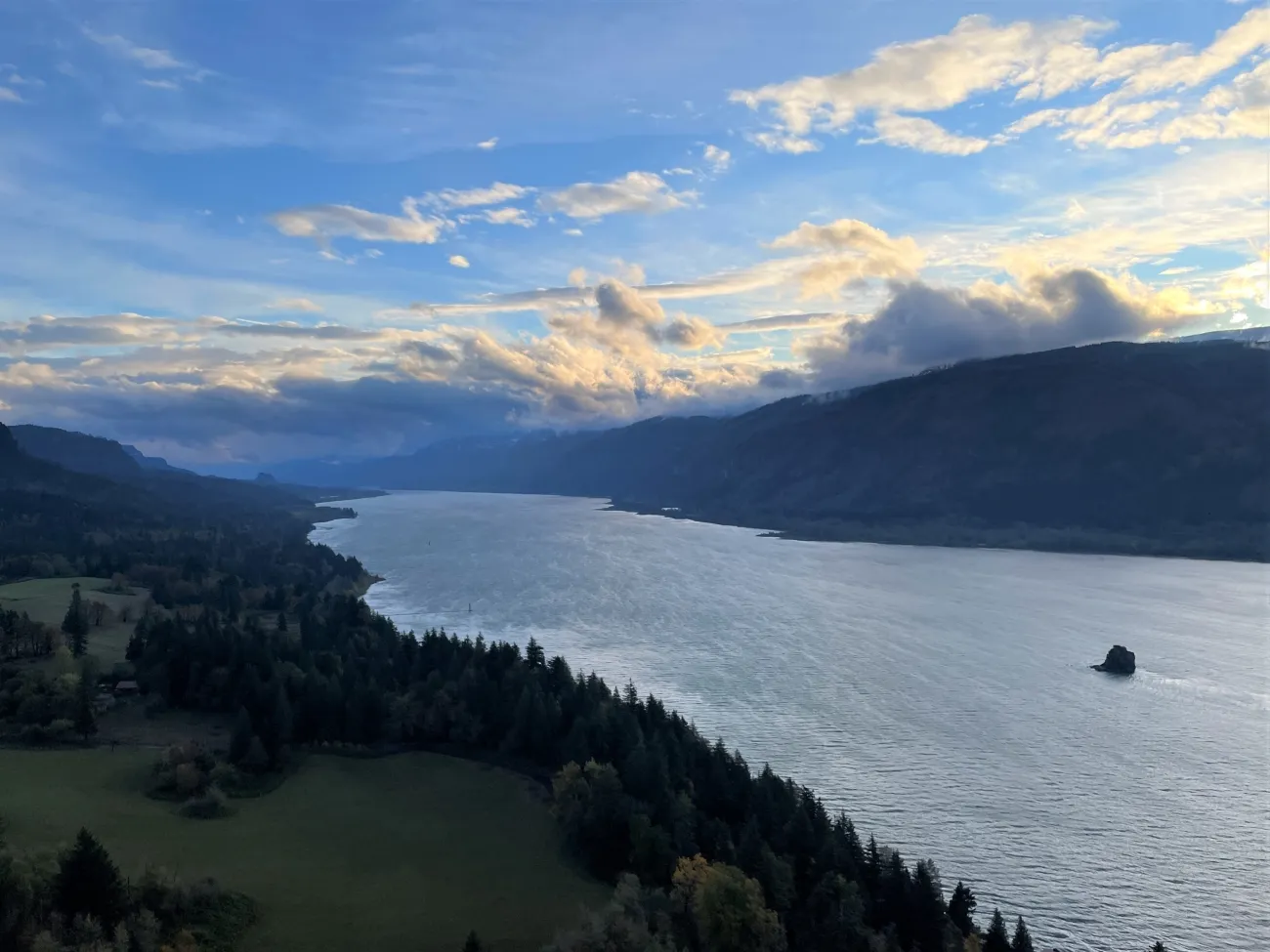
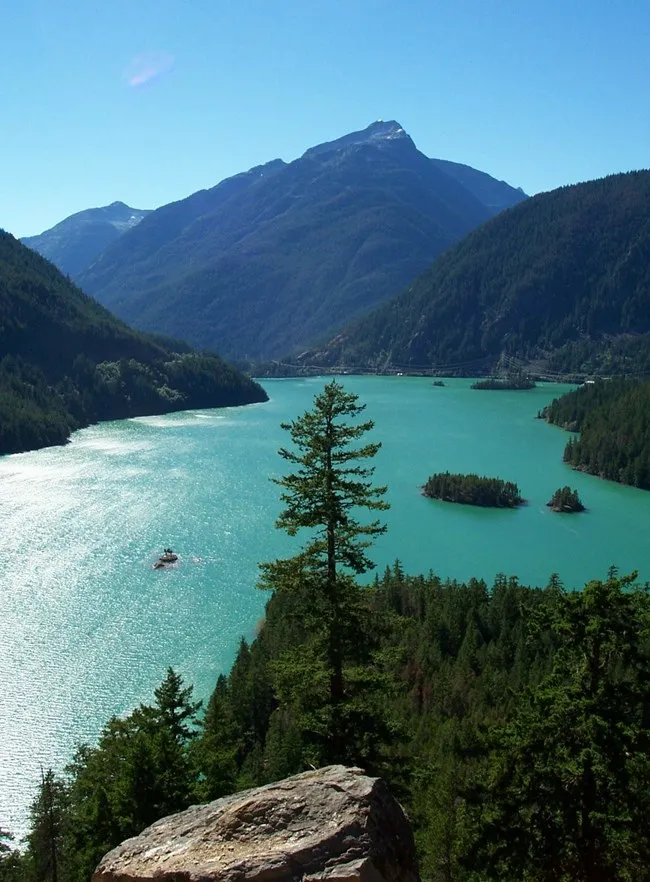
San Juan Island’s open prairie, sheltered bays and island roads make a ferry trip feel like a real change of pace. Its national historical park has two separate units: American Camp on the southern peninsula and English Camp on the island’s northwest side. Together they tell a story of Coast Salish homelands, military occupation and a boundary dispute settled without a war between the United States and Britain.
The island rewards an unhurried visit. Plan the ferry carefully, leave room for weather changes and remember that wildlife sightings are never guaranteed. Here are five ways to make the most of a first trip.
1. Treat the ferry as part of the plan
Washington State Ferries connects Anacortes with Friday Harbor on San Juan Island. If taking a vehicle, the ferry system strongly recommends a reservation on this route. A reservation saves a space for a vehicle but is not a ticket; check the current sailing schedule, fares and arrival instructions before leaving. WSDOT currently recommends arriving 45 to 60 minutes before a reserved San Juan sailing.
Walk-on travel is another option, but the two park units are several miles apart and away from the ferry terminal. Plan local transportation in advance rather than assuming the sites are within an easy walk from Friday Harbor. Service changes, weather and heavy demand can affect travel in both directions, so build flexibility into your return plans.
2. Explore American Camp’s prairie and shore
American Camp sits on the island’s southern peninsula, where open grassland meets saltwater shoreline. The visitor center introduces the Coast Salish presence, the military history of the island and local ecology. Its opening is seasonal, so consult the park’s current schedule; the grounds and trails have separate access information.
Walk toward the parade ground or choose a route from the park map that fits your party. Views can be wide and exposed, so bring layers and water even when the forecast looks pleasant. Keep to designated trails and respect wildlife and fragile habitat. Check the park’s accessibility information before selecting a route, as surfaces and grades vary.
3. Visit English Camp and Garrison Bay
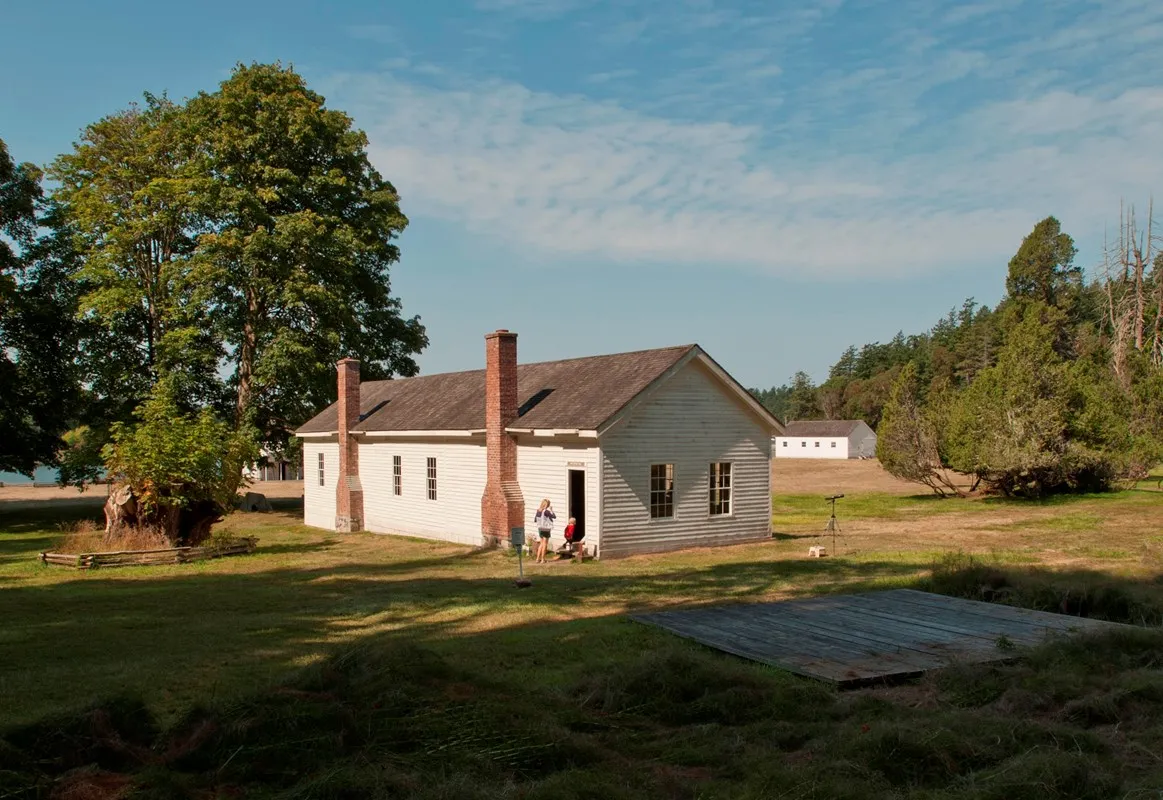
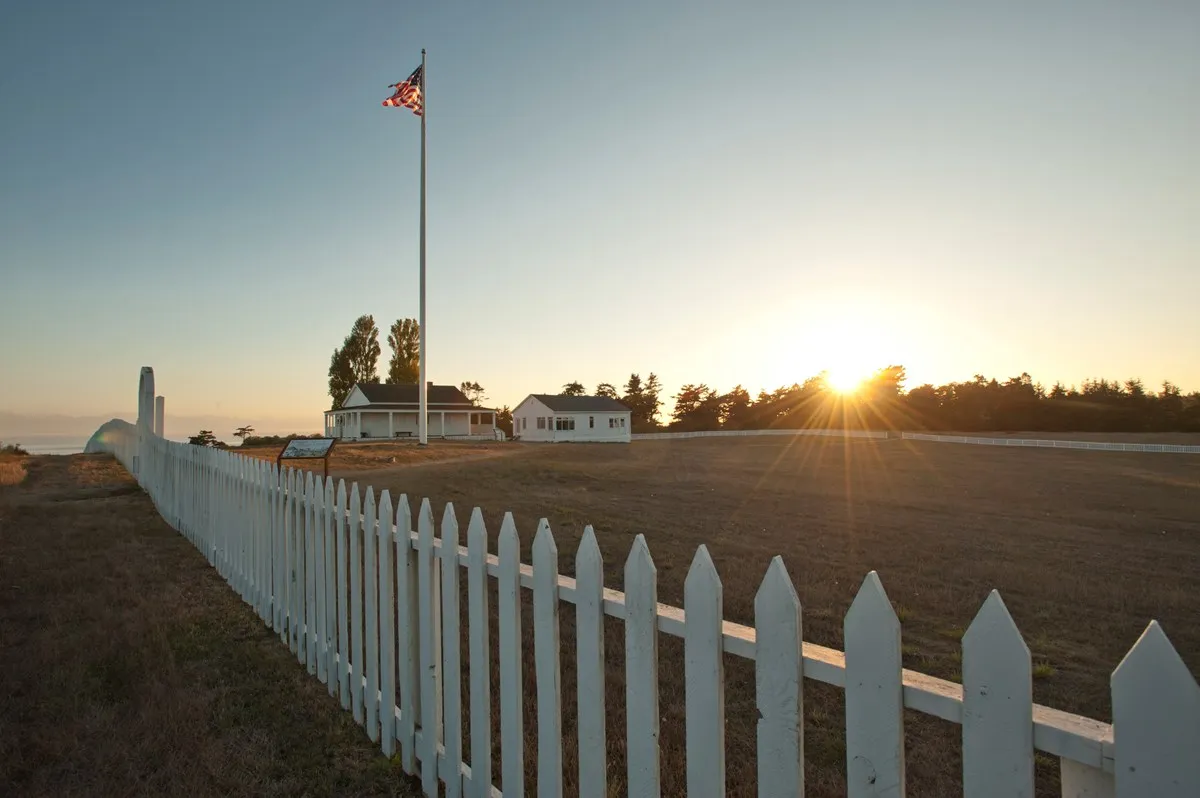
Across the island, English Camp has a sheltered setting on Garrison Bay and historic buildings associated with the British presence during the boundary dispute. A garden and walking paths give the site a different character from American Camp’s exposed prairie. Read the interpretation and look for ranger-led programs in season.
The dispute grew from disagreement over the international boundary in the islands, with a pig-shooting incident becoming a famous part of the story. The sites are more than a quirky anecdote, however: they reveal how military occupation affected a landscape already important to Coast Salish peoples. Give the exhibits and signs enough time to tell that broader history.
4. Choose a hike and watch the water
For a more ambitious walk, the Young Hill trail climbs above English Camp to views of bays, nearby islands and Vancouver Island on a clear day. Check the park’s trail description and current conditions before starting; a hilltop view requires more effort than a waterside stroll. Turn around if weather, footing or the remaining daylight no longer suits your group.
Whales and other marine wildlife may be seen in island waters, but no particular animal is guaranteed. Observe from a respectful distance and use binoculars from shore. If considering a boat excursion, choose an operator that follows current state and federal wildlife rules and check those rules directly; distances and seasonal restrictions can differ by species.
5. Allow time for the island’s practical details
Both park units are day-use areas and have no entrance fee according to the park, though ferry travel and other activities have their own costs. The American Camp visitor center closes seasonally; the park’s app can provide interpretation when facilities are shut. Current listings can change, so check the official site immediately before your trip.
For a relaxed day, arrive in Friday Harbor, visit one camp and add a second only if your ferry schedule leaves comfortable time. Bring water, sun and rain protection, and a downloaded map. That flexibility makes it easier to enjoy the island’s combination of shoreline scenery and layered history without watching the clock at every stop.