Washington’s North Cascades Highway is a mountain road where a short stop can reveal an entirely different landscape: mossy forest, a deep gorge, a turquoise reservoir or high peaks. State Route 20 passes through the North Cascades National Park complex, with overlooks and walks that make it possible to appreciate the scenery without tackling a demanding backcountry route.
This is a seasonal mountain drive, not a dependable year-round crossing. Snow and avalanche hazards usually close the highway in late fall, with reopening dependent on spring conditions. Road repairs, wildfire and storms can also change access. Check Washington State Department of Transportation and National Park Service updates immediately before traveling, and never enter a signed closure.
1. Start with a map near Newhalem
The North Cascades Visitor Center near Newhalem is a useful orientation point when open. Exhibits, maps and ranger information can help you choose stops that match the day’s weather and your group’s abilities. The center operates seasonally, so verify hours before relying on it for restrooms, water or advice.
The park complex has limited cellular service. Download directions and road updates before entering, carry water and fuel up in a nearby town. A drive that looks short on a map can take much longer when you add overlooks, slow curves and changing conditions. Make a plan for your return route in case a road closes.
2. Pause at Gorge Creek
At the Gorge Creek area, a short interpretive walk offers a look at a waterfall, gorge and dam. It is a useful place to break up a drive without committing to a long hike. Read the signs to understand how water, rock and hydroelectric development have shaped this corridor.
Stay on the established path and behind barriers. Wet surfaces can be slippery, and the sound and scale of moving water can make distances difficult to judge. If the parking area is full, continue to another designated stop rather than parking along the roadway.
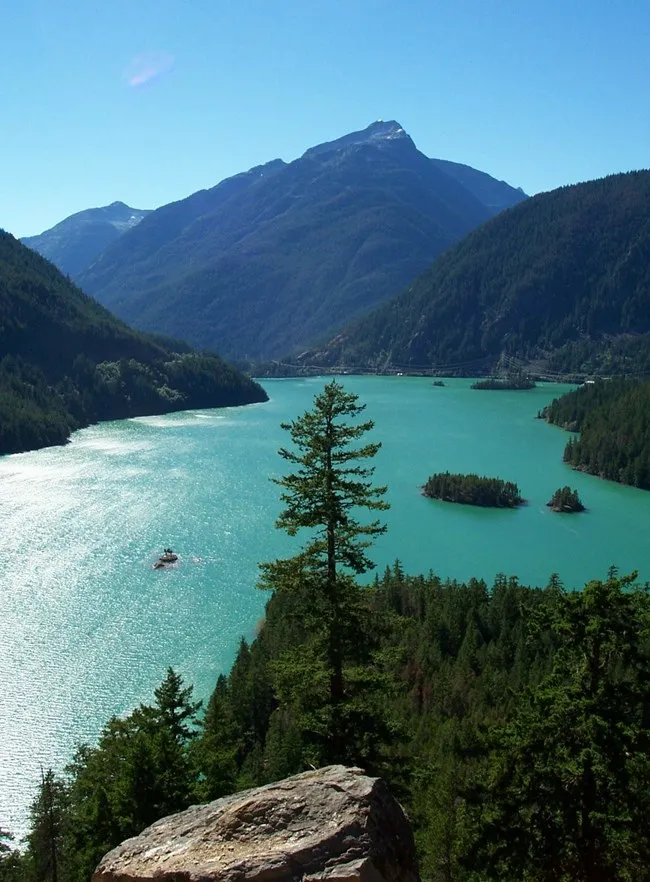
3. Look across Diablo Lake
The Diablo Lake Overlook at mile 131.7 is one of the route’s most recognizable stops. The lake’s summer turquoise color comes from fine particles of rock carried by glacial streams and suspended in the water. Light and season affect the color, so the scene will not necessarily match a photograph taken on another day.
The overlook has parking, picnic tables and a vault toilet, according to the park. Consult the park’s specific accessibility guide for details about surfaces and facilities. Keep food and trash secure and do not feed wildlife. Even a brief visit is better when you pause to notice the mountains and changing weather beyond the lake.
4. Walk in the forest or look toward Ross Lake
Happy Creek Forest Walk near mile 134.3 gives visitors a chance to step into shaded, mossy forest. Farther east, Ross Lake overlooks offer another view of the connected water and mountain landscape. Check the park’s current trail and facility conditions before choosing a stop; some routes can be affected by storm damage, fire or seasonal closures.
For a longer hike, use the National Park Service trail descriptions to compare distance, elevation and current hazards. Do not rely on a summer trail report in winter. Carry appropriate footwear, layers and navigation, and be ready to choose a shorter walk or turn back if conditions change.
5. Respect the high country and the drive home
Washington Pass reaches 5,477 feet, and weather at elevation can be very different from conditions in the valley. Before attempting a full crossing, check the state’s real-time road map and the park’s road-status page. The highway fully reopened for the 2026 summer season after storm-damage repairs, but that history is not a promise of uninterrupted access on a future visit.
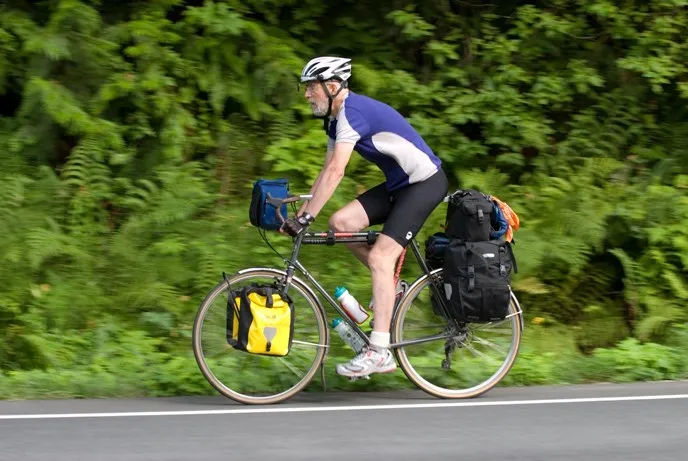
Watch for cyclists, particularly in narrow sections and tunnels; drivers and riders should use extra care where light changes suddenly. Pull fully into designated areas before taking photos, never feed animals and keep your schedule flexible. A thoughtful half-day with two or three stops can be more satisfying than rushing from one end of the mountains to the other.