Fort Laramie's surviving buildings stand near the meeting of the Laramie and North Platte rivers, where generations of people encountered one another amid trade, migration, military expansion and conflict. A visit to this southeastern Wyoming historic site offers a chance to look beyond a single frontier story and consider the many communities affected by it.
The National Park Service preserves structures and foundations from the military era and interprets a longer history. Begin at the visitor center, allow time to walk the grounds and check the season before assuming every building or program is available.
1. Start with the visitor center
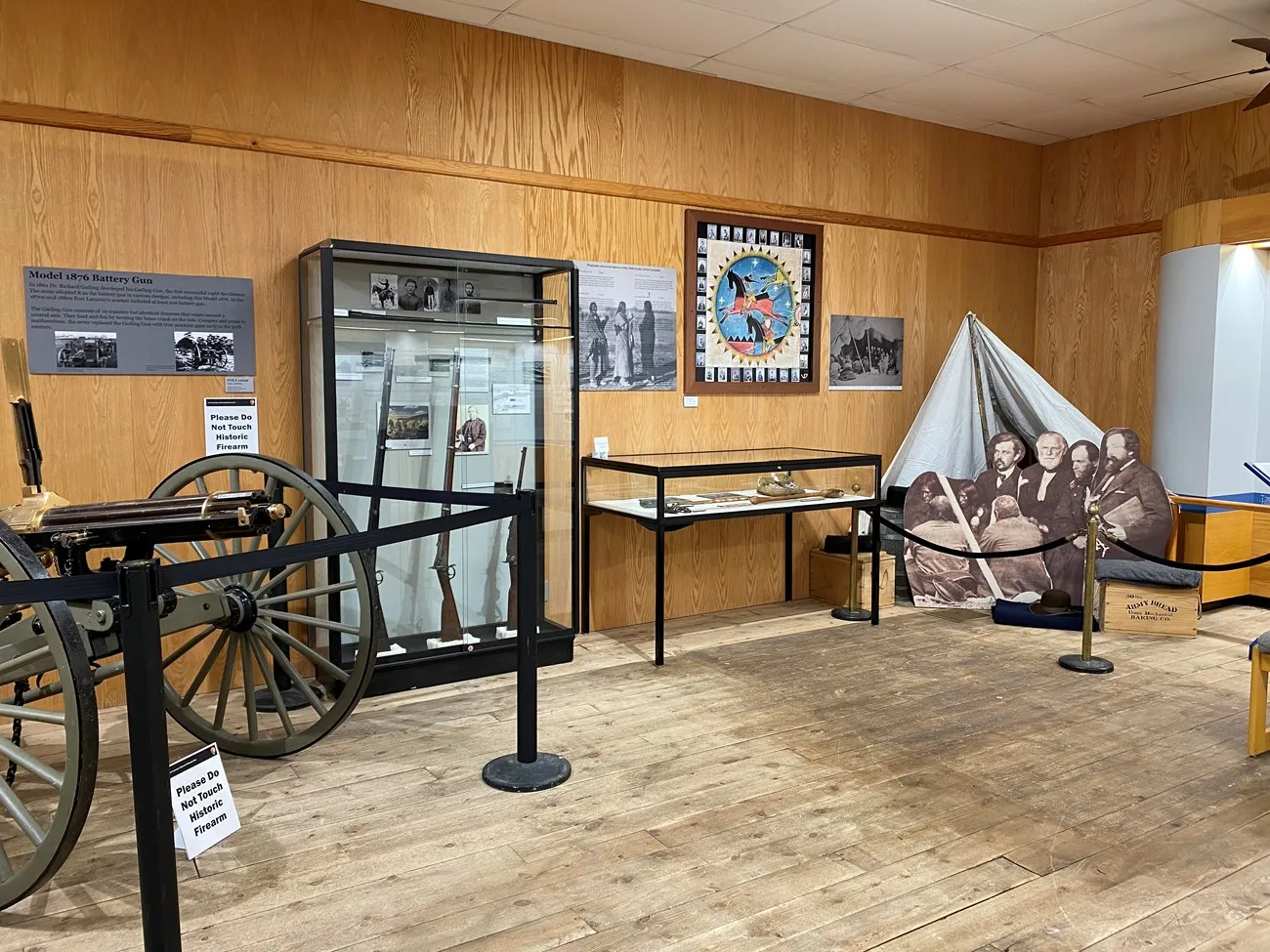
The visitor center occupies the 1884 Post Commissary Building and contains exhibits that introduce the site's varied history. Objects and interpretation provide context before visitors walk among the surviving structures. Ask staff about current building access, ranger programs and the short history film.
The park lists winter visitor center hours from October 1 through April 30 as 8 a.m. to 4 p.m. daily, with closures on Thanksgiving, Christmas and New Year's Day. Hours change in spring and summer. Check current information before making a long drive, particularly around holidays or severe weather.
The park grounds are listed open sunrise to sunset year-round and admission is free. Grounds and building hours are not the same thing: a building may be closed even when an outdoor walk is possible. Ask about current accessible routes and facilities if your group needs them.
2. Trace the post's changing roles
The National Park Service identifies the area as the homeland of the Arapaho and Cheyenne and describes a private fur-trading post established here in 1834. The first post, Fort William, was replaced by Fort John. The U.S. Army purchased the trading post in 1849 and operated Fort Laramie until 1890.
Those changes affected many people differently. Traders, Indigenous nations, soldiers, emigrants and families encountered one another here, while U.S. expansion brought pressure and conflict to Native homelands. Park interpretation offers a starting point for understanding those relationships and the treaties and resistance connected to the region.
Avoid imagining the site as an isolated military outpost in an empty landscape. It was part of an established network of Indigenous places and travel routes. Seek out Native perspectives alongside the fort's military and migration histories to build a fuller picture.
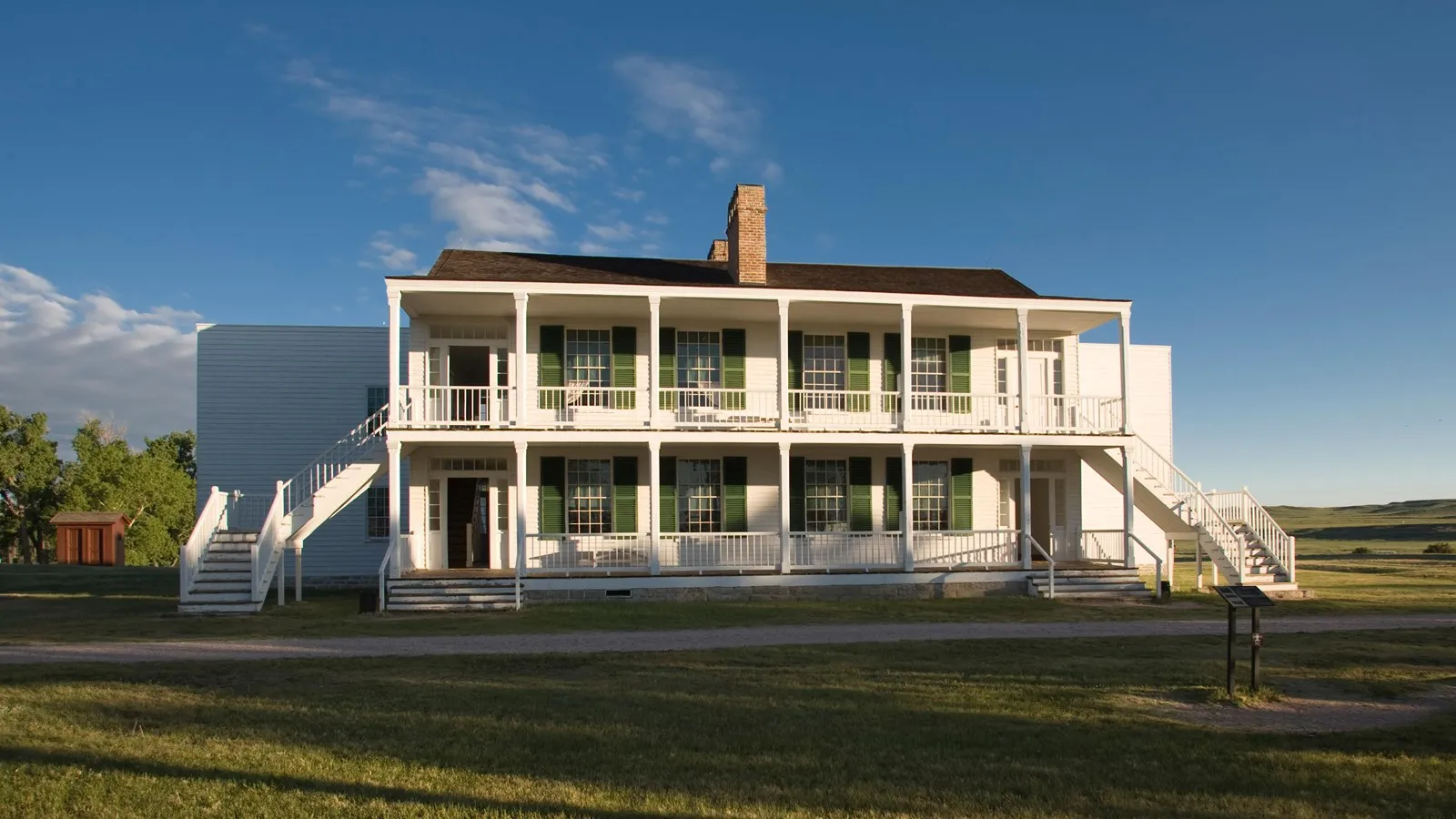
3. Look for Old Bedlam
Old Bedlam, built in 1849, served several military purposes, including quarters for bachelor officers and later administrative uses. The National Park Service identifies it as the oldest standing structure in Wyoming. Its restored rooms and exterior offer a human scale for considering daily life at a post often discussed in terms of major events.
Check with staff about which portions are open during your visit. Historic structures can have limited access for preservation, staffing or weather, and an exterior view does not guarantee an interior tour. Follow signs and stay out of closed rooms or work areas.
As you walk, notice how different buildings supported the post's functions. Ask who worked in them, where supplies came from and how the fort's presence affected people beyond its grounds. Those questions connect architecture with the choices and consequences of the period.
4. Walk the grounds with the weather in mind
The site's open landscape rewards a deliberate pace. Use the official map and interpretive signs to choose a route, and allow time to move between buildings. Winter wind, ice or snow can make outdoor surfaces difficult even when the visitor center is open. Wear suitable shoes, bring layers and adjust the length of the walk to conditions.
Stay on open routes and supervise children around historic structures and roads. Do not climb on walls, remove objects or enter areas marked closed. The materials left on the site are part of a shared historical record.
Summer may bring ranger programs and additional activity, but schedules are not guaranteed from year to year. Check the park calendar before traveling if a particular demonstration or guided experience is important. A self-guided visit can still be worthwhile when programs are not offered.
5. Make room for a thoughtful day trip
Fort Laramie National Historic Site is a separate destination from the city of Laramie. Use the park's address and directions for the historic site, and allow realistic time for southeastern Wyoming driving. Check fuel and services before departure, especially in winter when weather can change rapidly.
For a first visit, spend time with the visitor center exhibits, walk to the open historic structures and ask a ranger about the site's connections to Indigenous nations and migration routes. Add another stop only if road conditions and daylight allow.
The value of the visit lies in holding several stories together: a trading post, a military site, Native homelands and the people who passed through or remained in the region. A slower itinerary gives those histories room to be heard.