Southwestern Wyoming's dry ridges hold a record of a very different landscape. About 52 million years ago, a large freshwater lake existed here, and some of its plants and animals became exceptionally preserved fossils. Fossil Butte National Monument gives visitors a chance to see that ancient world through exhibits and the landscape that preserves it.
This is a rewarding stop for families, geology enthusiasts and anyone who likes a story that changes the way a landscape looks. Start at the visitor center, check the season before planning a drive or hike, and remember that fossils are protected within the monument.
1. Begin with the visitor center exhibits
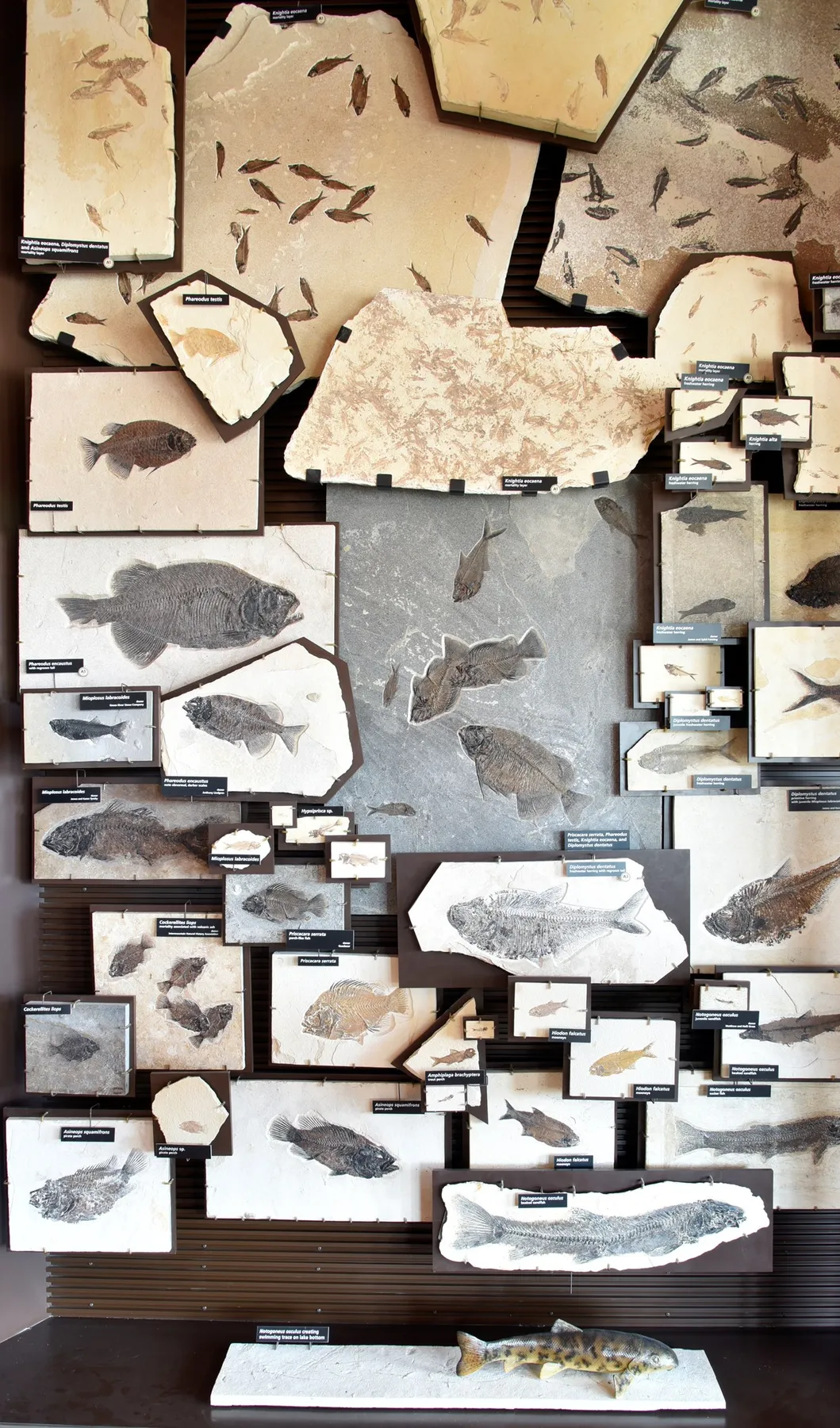
The visitor center is the best place to see prepared Fossil Lake specimens. The National Park Service displays fossil fishes, plants and other organisms and explains what scientists have learned from the rocks. Some exhibits include casts, so read the labels; the park says the fish wall specimens are originals.
Look closely at the details. A fossil fish can preserve an outline that makes an ancient animal immediately recognizable, while leaves and insects add evidence of the environment around the water. The collection shows how individual specimens contribute to a larger picture of a vanished ecosystem.
The visitor center is open year-round with seasonal hours. From November 1 through April 30, the park lists hours of 8 a.m. to 4:30 p.m. Monday through Saturday, closed Sundays and specified federal holidays. Check the latest schedule before traveling, especially around Thanksgiving, Christmas or severe weather.
2. Learn why the fossils are indoors
Visitors should not expect to see exposed fossils on the monument's trails. The park explains that they are held within horizontal rock layers and must be split and prepared before they can be viewed. That is one reason the visitor center is an essential part of a first visit.
Fossils, rocks and other natural features are protected in the national monument. Do not dig, collect or remove them. Ask a ranger about the park's research and educational programs instead; learning how fossils are documented and prepared can be as interesting as seeing the finished specimens.
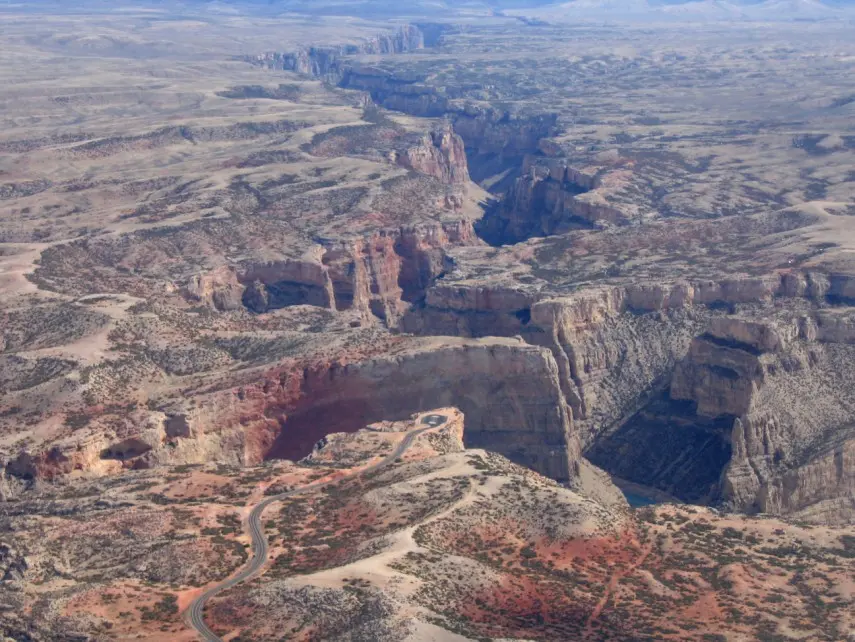
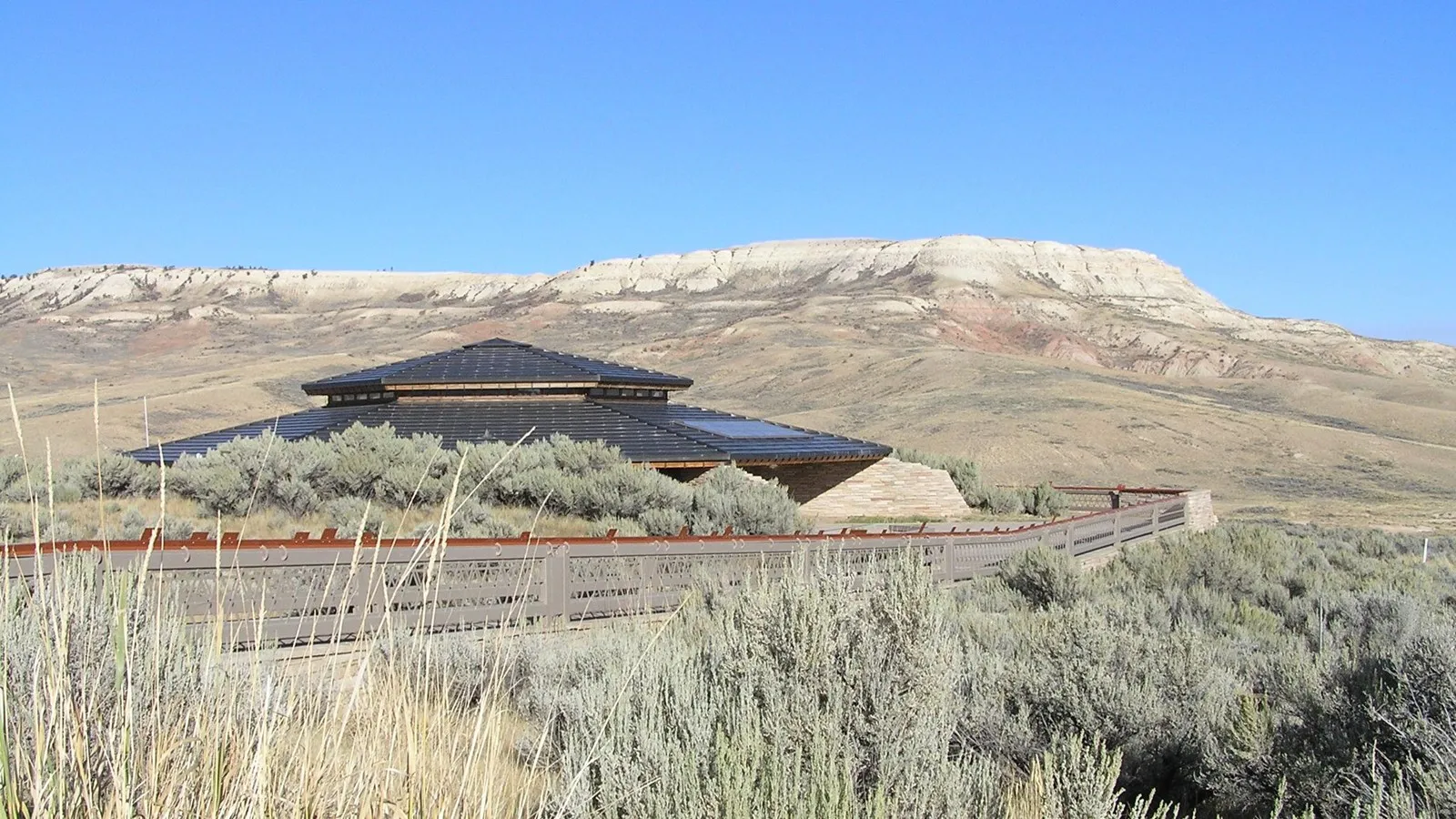
The modern landscape is also part of the story. Fossil Butte appears as a butte from some viewpoints, but the park describes it as a curved ridge with gentle slopes. Notice the layers and broad setting from an open public area, and imagine the time and geological processes separating the ancient lake from the dry terrain visible today.
3. Check the scenic drive's seasonal status
The monument's scenic drive provides access to the picnic area and Nature Trail when open. It is closed from November until late May, weather dependent, according to the National Park Service. As of November 16, 2026, visitors should plan around the winter closure and verify the latest conditions before traveling.
The entrance road gate is generally closed only during severe winter storms, but that does not mean every road or facility is open. Check weather, road status and daylight before leaving, and carry appropriate supplies for a remote winter drive. A visitor-center-focused trip may be the most practical option in the colder months.
When the scenic drive reopens, allow time for stops only where permitted and safe. Stay on designated roads and follow signs. Conditions can change after snow, rain or maintenance, so a previous year's opening date is not a guarantee for your visit.
4. Choose a trail for conditions and daylight
Fossil Butte has maintained trails that introduce the monument's landscape. Consult the park's current trail information and map before choosing one, and ask staff about distance, surfaces and weather. The Nature Trail's access depends on the seasonal scenic-drive status, so do not assume its trailhead is reachable by car in winter.
Bring water, sun protection and layers. Wind and exposure can make a short walk feel different from a shaded trail at lower elevation. Snow, ice or mud can alter the route, and cell service may be unreliable. Tell someone your plan and turn back if conditions exceed the group's preparation.
Stay on open routes, give wildlife space and leave the landscape undisturbed. A trail walk is an opportunity to understand the setting around the fossil-bearing rocks, not a fossil-hunting excursion. Ask about accessibility options if you need a specific surface or route.
5. Build a manageable southwestern Wyoming stop
For a first visit, allow time for the visitor center exhibits and a conversation with staff. Add an open trail or scenic drive only if the season and weather support it. Check nearby services and fuel before traveling; distances between communities in this part of Wyoming can be substantial.
Families may enjoy choosing a few favorite specimens and asking what each reveals about the ancient lake. A short film or a Junior Ranger activity, when available, can give children a way to connect the exhibits with the landscape outside.
The best plan is flexible: confirm the visitor center's hours, check road and weather notices, and leave enough time to explore without rushing. Fossil Butte turns a quiet Wyoming ridge into a window on a much older world.