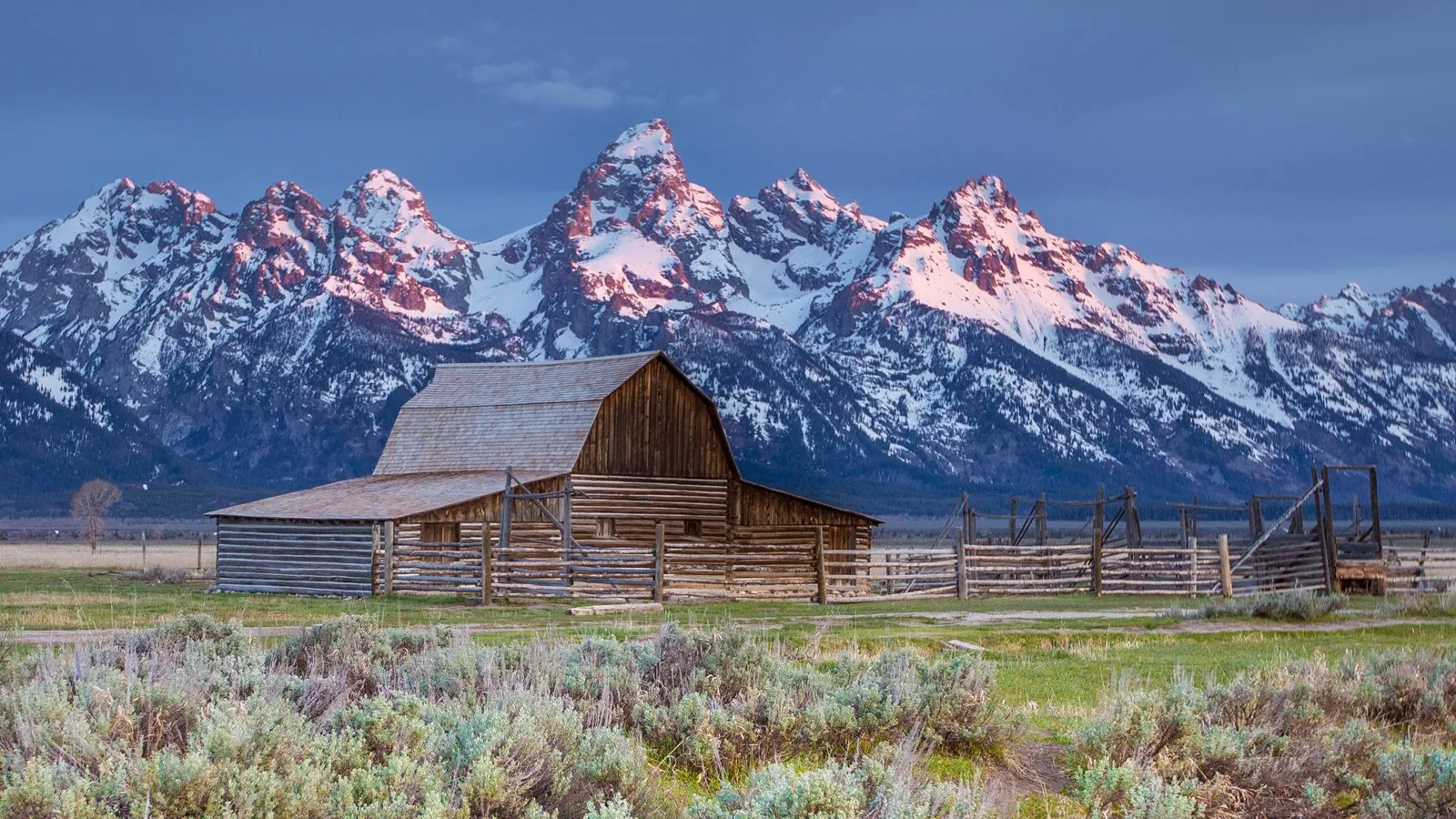
At the base of the Teton Range, Jenny Lake brings mountain views, lakeshore paths and access to Cascade Canyon together in one of Grand Teton National Park's most popular areas. A visit can be as simple as a short paved walk or as ambitious as a longer hike, but the right plan depends heavily on season and conditions.
The boat shuttle, visitor center and normal road access do not all operate year-round. Check the National Park Service's current road, trail and service information before leaving, and choose an outing that fits the least experienced person in your group.
1. Check the road before planning the lake
The Teton Park Road closes to vehicles from November 1 through April 30 between the Taggart Lake Trailhead and Signal Mountain Lodge, according to the park. As of November 16, 2026, that seasonal closure affects the usual drive to the Jenny Lake area. Conditions and other road restrictions can change, so check the current road status rather than assuming a map's summer route is available.
During winter, the closed road may be used for non-motorized recreation under the park's current rules, with grooming generally beginning in mid-December when conditions permit. Reaching a destination on skis, snowshoes or foot is a substantially different undertaking from driving there. Ask a ranger about distance, weather, access and preparation before attempting it.
In the regular driving season, allow extra time for parking and traffic. Jenny Lake is popular, and parking can fill. Arrive with a flexible schedule and never leave a vehicle where signs prohibit it or where it blocks traffic or emergency access.
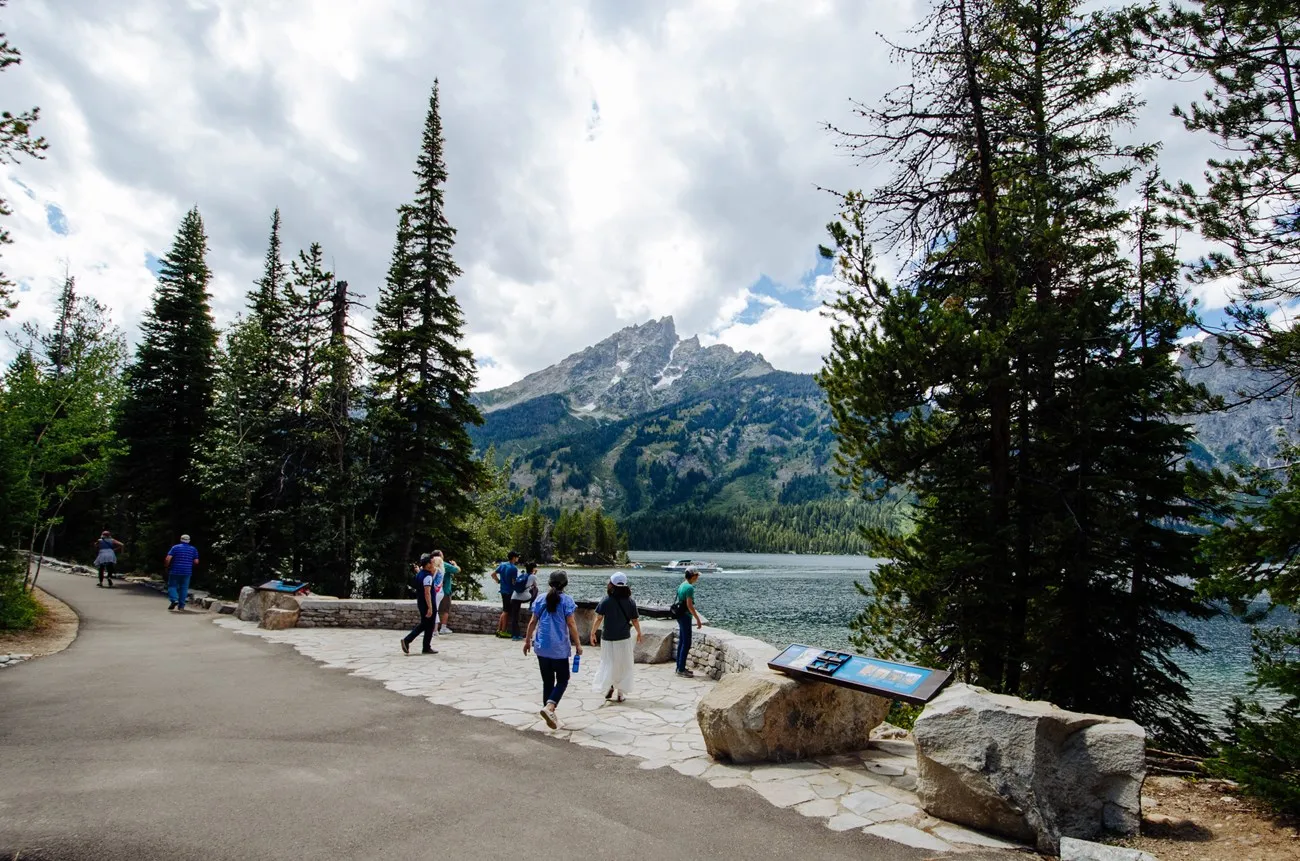
2. Begin with a manageable lakeshore walk
The Discovery Trail offers a short introduction to the area. The park describes it as a paved 0.35-mile trail with wheelchair access to Jenny Lake, interpretive panels and connections toward the boat dock and other trails. Check current surfaces, facilities and access with park staff, especially after snow, ice or construction.
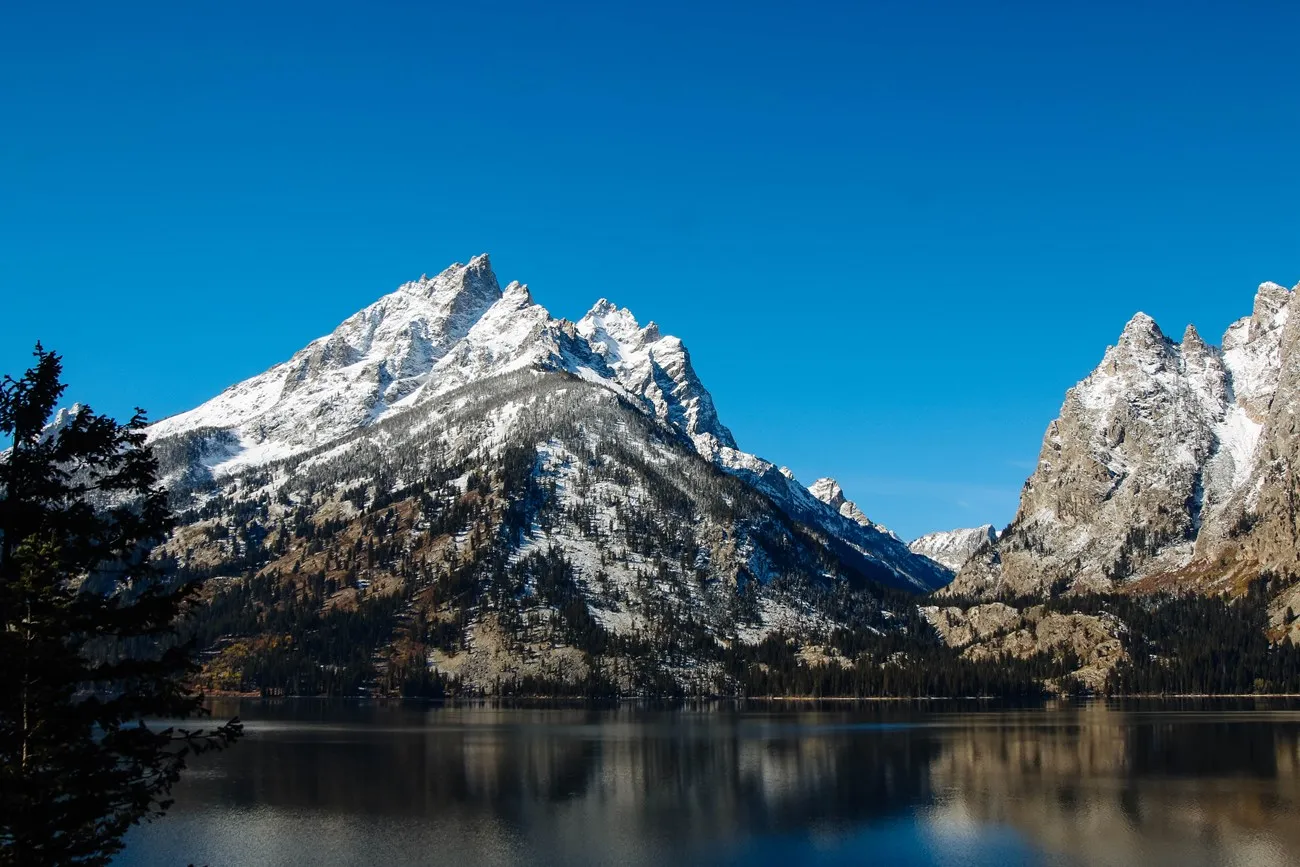
The lake's eastern shore provides views of the mountains and Cascade Canyon. Take time to stop and look rather than treating the short route only as a way to reach a longer hike. Weather can change quickly, and a clear morning can become windy or wet later in the day.
Wear suitable shoes, carry water and layers, and stay on designated routes. The shore and trails are wildlife habitat as well as visitor space. Give animals room and keep food secured according to park rules.
3. Understand the shuttle's seasonal role
When operating, the Jenny Lake boat shuttle carries visitors across the lake and can shorten the hike to the west-shore trail system, including the routes toward Hidden Falls and Inspiration Point. The shuttle is a separate service with its own ticket and operating arrangements; a boat ride does not eliminate the need for appropriate footwear and preparation on the trail.
The park's 2026 schedule lists shuttle service from May 15, ice permitting, through September 30. As of November 16, that season has ended. Confirm future dates, weather cancellations, fares and the last return boat directly with the operator before building an itinerary around it.
If the shuttle is unavailable, do not assume the alternative walk around the lake is a short substitute. Review the official map and trail conditions, calculate the full round trip and turn back with enough daylight and energy to return safely. A shorter lakeshore visit can be a satisfying choice.
4. Prepare for wildlife and mountain conditions
The park notes that black and grizzly bears, moose and other large animals frequent Jenny Lake, including developed areas and trails. Learn current bear-safety guidance, carry readily accessible bear spray where recommended and know how to use it. Never approach wildlife for a photograph.
The National Park Service directs visitors to stay at least 100 yards from bears and wolves and 25 yards from other wildlife. If an animal approaches, move away and give it a clear path. Conditions and regulations can change, so review the park's current safety page before traveling.
Snow can remain on mountain trails long after valley roads open. Thunderstorms, cold water and rapidly changing temperatures also affect plans. Check trail reports, carry water and layers, and choose a route within the group's experience. If the forecast or conditions are poor, save the longer hike for another day.
5. Check visitor services and leave room for the view
Jenny Lake Visitor Center has seasonal hours and is listed closed during the winter period. Other park facilities also have separate operating dates. Confirm restrooms, food, lodging and ranger availability before relying on them, particularly in the shoulder seasons.
For a first warm-season visit, a practical plan is to start early, walk an open section of the Discovery Trail and decide whether a confirmed boat trip or longer hike fits the day. In winter, consult the park about road access and safe non-motorized options before setting out.
Jenny Lake is memorable without a checklist of every viewpoint. A careful plan leaves time to appreciate the lake, the Teton Range and the wildlife that shares the landscape.