Old Faithful is one of Yellowstone's most familiar sights, but the eruption is only the beginning of a visit to the Upper Geyser Basin. Boardwalks, thermal features and a visitor center make the area a place to spend time learning as well as watching water rise into the air.
Season is the first planning decision. Yellowstone spans multiple states, and its roads and services do not all operate year-round. Old Faithful is in the Wyoming portion of the park; check official road status and operating dates before assuming you can drive there.
1. Plan your route before leaving
Most Yellowstone roads closed to regular vehicles on November 1, 2026, including the routes normally used to drive to Old Faithful. The National Park Service says the road between the North and Northeast entrances remains open to cars year-round, weather permitting, but it does not provide ordinary winter car access to Old Faithful.
The park's projected winter schedule lists oversnow travel beginning December 15, subject to weather and other circumstances. Authorized snowcoach and snowmobile trips can provide winter access when operating. As of November 16, the area is in the period between the regular vehicle season and the projected start of oversnow travel; check the park and authorized operators for current options rather than assuming a tour is running.
For a warmer-season trip, review the projected road opening dates and live road status. Yellowstone is large, and driving times can be longer than they appear on a map. Allow for traffic, wildlife on roads, temporary closures and changing weather, and keep enough fuel and supplies for delays.
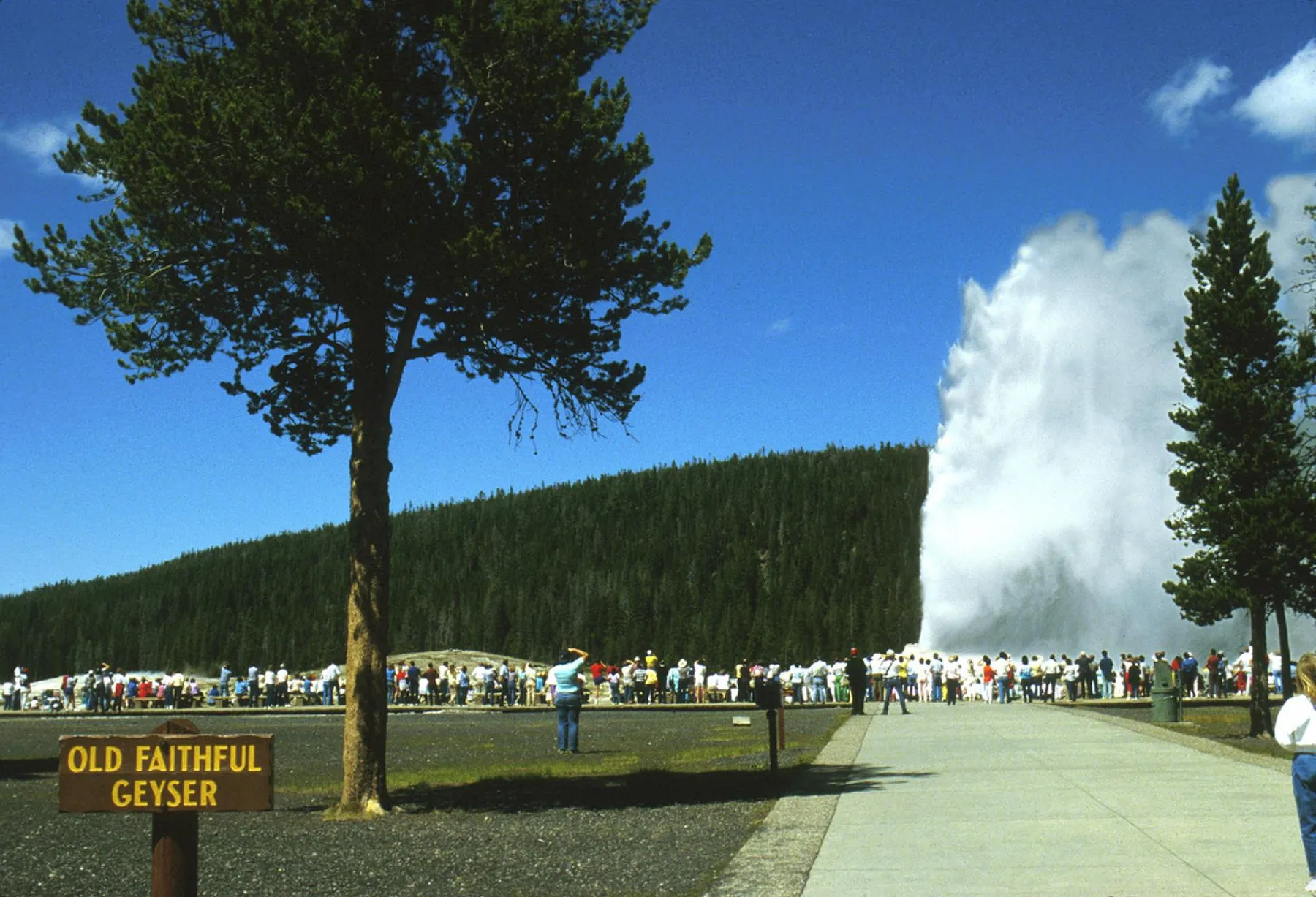
2. Give the eruption room in your schedule
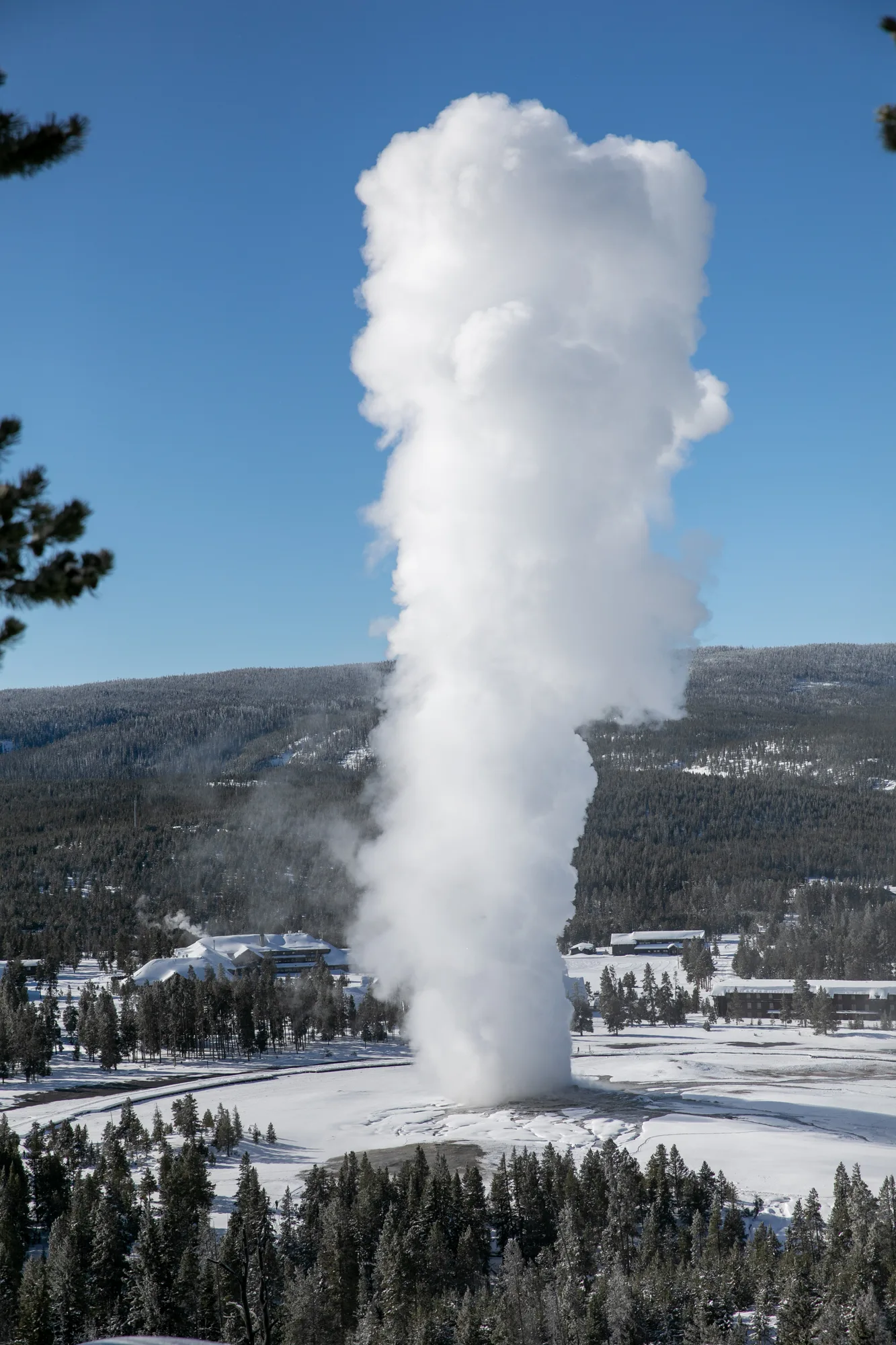
Old Faithful is known for frequent eruptions, but it is not a clock. The National Park Service gives an average interval of about 90 minutes, with variation. Predictions are available at the Old Faithful Visitor Education Center when open, at lodges and in the NPS app. Treat a prediction as an estimate, not a guaranteed appointment.
Choose a viewing location in the designated area and allow time before and after the expected eruption. Crowds can be significant, particularly during the main travel season. A flexible schedule makes a delayed eruption much less stressful and leaves room to explore nearby features.
Dress for the conditions and carry water. At Yellowstone's elevation, weather can change quickly. In winter, the park recommends traction aids for icy boardwalks and careful movement around thermal areas. Check the forecast and the park's current safety information before setting out.
3. Explore the Upper Geyser Basin safely
The boardwalks around Old Faithful lead through an extraordinary concentration of hydrothermal features. Take time to notice the variety of geysers and hot springs, but stay on boardwalks and designated trails at all times. The ground around thermal features can be thin and unstable, and water can cause severe burns.
Keep children close and do not touch thermal water or throw objects into features. Conditions can change, and a place that looks solid or calm may not be safe. Follow posted signs, closures and ranger instructions. Pets have restrictions in thermal areas, so check the park's current rules before bringing one.
Give other visitors room on narrow boardwalks, and be prepared to turn back if a section is closed or icy. A shorter, careful walk can be more rewarding than hurrying through the basin. The park's accessibility information and staff can help identify current options for your group.
4. Use the visitor center when it is open
The Old Faithful Visitor Education Center offers exhibits about Yellowstone's hydrothermal features and the science behind them. It is also a place to seek current information, talk with staff and check eruption predictions when the building is open. Its seasonal hours and closures are separate from the park's general status.
Check the official operating-dates page before relying on restrooms, food, lodging or fuel. Services can be limited between seasons and during winter. A planned meal or overnight stay should be confirmed with the relevant operator, not inferred from a summer map.
An indoor exhibit can provide useful context before walking the boardwalks. It helps explain why Yellowstone is an active thermal landscape and why the rules about staying on designated routes are so important. Allow enough time to learn without feeling that you must see every nearby feature in a single visit.
5. Leave time for the rest of Yellowstone
Old Faithful can anchor a day in the park, but distances and road conditions make an overloaded itinerary difficult. Pick a small number of additional stops that are open along your route, then allow time for safe pullouts and unexpected delays. Do not stop or stand in the road to view wildlife.
The National Park Service directs visitors to keep at least 100 yards from bears and wolves and 25 yards from other wildlife, including bison and elk. Use binoculars or a long lens, and retreat if an animal approaches. Park rules and conditions can change, so check the current safety page before traveling.
Whether you arrive in the regular driving season or on an authorized winter trip, the most enjoyable plan is a flexible one: confirm access first, give the eruption time and explore the basin carefully. Yellowstone rewards patience as much as it rewards a good view.